Design Your Uniform

Category: Uncategorized

  • Protecting the Joy in the Game

    A few weeks ago, I was sitting in the bleachers along the baseline at my son’s
    8th-grade basketball game. It was a Sunday afternoon at Pewaukee High School
    with three games happening at once. We were on the middle court, with
    parents, grandparents, and family members from both teams sitting all around.
    The gym was busy and loud, but most people were only paying attention to the
    game they cared about.
    In our section, many parents were starting to get a little tense and passionate. It
    wasn’t awful and I have seen much worse, but they were definitely getting
    caught up in it. Frequently when the refs blew the whistle for a foul or violation,
    you could hear people react loudly. A handful of missed calls felt big to the
    people around me, and their responses came quickly. I don’t believe anyone
    walked into the gym intending to be difficult. They were just invested in their
    kids, like most of us parents are. Youth sports can have that effect on us.
    But in the middle of all the noise, one family stood out.

    There was a set of parents sitting with what looked like grandparents. They did
    not yell at the officials, the coaches, or the other kids. They encouraged their
    son and his teammates, and twice during the game they corrected their son.
    They were not correcting him on basketball, they were addressing his behavior
    that was not in line with their values. Once he reacted to the crowd, and
    another time he snapped back at a player. Both times, the correction was calm,
    clear, and focused on behavior.
    Their son was also the best player on the floor. He was not completely
    dominant, but he was a little taller, a little stronger, and he really knew how to
    play. He was confident and tough, and he competed well. But he was also a
    young man who, like everyone his age, still has a lot of growing to do. Watching
    his parents, it was easy to see that he had steady examples around him. The
    way they carried themselves gave him a solid reference point for how to handle
    himself in emotional moments.
    I was not looking for anything. I came to watch my son and enjoy the game. But
    that family caught my attention. They were modeling something valuable, and
    their son was benefitting from it.
    It made me think about my own instincts.

    I have coached for a long time. When I watch basketball, I notice spacing,
    matchups, decision-making, and details. And I am also a dad, so I want to help
    my kids. Those two identities can overlap quickly. The urge to coach from the
    stands is very real for me.
    But I have learned that my job in the bleachers is different than my job on a
    sideline. Coaches coach. Parents model. The way we carry ourselves sets the
    emotional tone.

    There is a phrase that has helped me throughout my life. I remind myself of it
    on the days when my intensity of emotion is higher than it probably should be:
    cognition controls emotion. What I think about shapes how I feel. If I focus on
    the officials, I get frustrated. If I focus on mistakes, I get tense. And when I get
    tense, my kids feel it. They take their cues from me, whether I say anything or
    not.

    They are always watching us. And sometimes, the most powerful thing they can
    see is a parent who is calm, encouraging, and fully present.


    Reflection Question:

    When the gym gets loud, what do you want your child to notice about you?

    Practical Tip:

    Before every game, choose one word to model: calm, encouragement,
    gratitude, or something else. Return to it whenever emotions rise.


    Author Bio

    Alex Compton is an author, coach, and former international professional basketball player whose career has taken
    him into global youth-sports development. He co-founded the Nike Elite Camp and the NBTC program in the
    Philippines and has coached both professionally and with Gilas Pilipinas, the Philippine Men’s National Team.
    Now based in Madison, he is a member of the WBCA Hall of Fame and co-author of Guiding Your Child’s Athletic
    Journey, winner of the 2025 NYC Big Book Award. Alex is a Cornell University graduate in Human Development
    and Family Studies and speaks on parenting, leadership, and youth sports.

  • The Car Ride Home: Connect First, Correct Later by Alex Compton

    My boys have very different personalities, but during the basketball season that began in the winter of 2021,
    I began to notice a strong similarity. They were on separate travel teams that winter, which meant a lot of
    long drives home—sometimes close to an hour—with just one boy in the car at a time. Those drives became
    a natural space to talk about the game and how they experienced it.
    After each game, I’d ask what they saw, what they were thinking, or how they felt they played. I wasn’t trying
    to coach them from the front seat. I genuinely wanted to hear how they processed things. But just about
    every time, both boys went straight to something outside themselves. The refs, a kid who pushed them,
    someone talking trash, a teammate who didn’t pass—the conversation always started somewhere else.
    Even though I had asked about their game, their first instinct was to talk about everyone but themselves. As
    someone who spent years coaching professionally, that got to me. I kept trying to bring the conversation
    back to their own decisions and their own effort. Sometimes it worked. Sometimes I had to remind them of a
    specific play. Other times it didn’t move at all, no matter what I tried.
    What I didn’t fully understand then—and wish I had realized earlier—is that the emotional moment right
    after a game isn’t always the best place to ask a kid to look inward. Their feelings are still fresh and loud. Kids
    don’t naturally slide into reflection when their emotions are high. They need a little time to settle. Parents
    know this intuitively in other areas of life, but for some reason sports has a way of making us forget. I
    certainly did.
    At some point, it hit me that the car ride gives us a captive audience. We have their attention in a way we
    rarely do. And if that’s true, then we need to be clear about our priorities. For me, I realized the car ride home
    is more of a place to connect than a place to correct. That shift changed everything about how I approached
    those conversations.

    There was another piece I was slow to understand: kids that age simply don’t have the same internal tools
    we expect older athletes to have. They’re still learning how to separate what happened to them from what
    they did. They’re not being defensive; they just haven’t developed the maturity to sort through all the layers
    of a game. Their world is still very external. That’s normal. It’s part of growing up.
    Once I accepted that, the way I approached those conversations changed. I still cared about teaching them
    accountability, but I stopped expecting them to get there immediately. I let them talk through the outside
    stuff first. Sometimes that alone helped them settle enough to think about their own play. And other times,
    the car ride just wasn’t the moment to get into it—and that was okay too.
    Over time, I noticed something encouraging. As the pressure in the car went down, their willingness to look
    inward went up. Not every drive, and not in some dramatic way, but enough that I could see they were
    learning the right things at the right pace.
    Those car rides taught me that accountability develops in kids the same way most things do—slowly, with
    patience, and in an environment where they feel safe to be honest.
    Reflection Question:
    What tone do you want to set for your child during those car rides home this season?

    About the Author

    Alex Compton is an author, coach, and former international professional basketball player whose career has
    taken him into global youth-sports development. He co-founded the Nike Elite Camp and the NBTC program
    in the Philippines and has coached both professionally and with Gilas Pilipinas, the Philippine Men’s National
    Team.
    Now based in Madison, he is a member of the WBCA Hall of Fame and co-author of Guiding Your Child’s
    Athletic Journey, winner of the 2025 NYC Big Book Award. Alex is a Cornell University graduate in Human
    Development and Family Studies and speaks on parenting, leadership, and youth sports.

    Connect with Alex on social media for more insights on parenting athletes, leadership, and youth sports.
  • Mastering the Art: Crafting the Perfect Basketball Shot from 3-Point Range, 2-Point Range, and Layups

    In the dynamic sport of basketball, shooting is a fundamental skill that can significantly impact a team’s success. Whether it’s a long-range bomb from beyond the arc or a graceful layup at the rim, each shot requires precision, technique, and practice. In this article, we will delve into the essential elements of creating the perfect basketball shot from three-point range, two-point range, and layups. By understanding the intricacies of each shot and focusing on key aspects, players can enhance their shooting abilities and contribute to their team’s victory.

    1. The Art of the 3-Point Shot

    The three-point shot has revolutionized the game, and mastering it can provide a significant advantage. To create the perfect shot from beyond the arc, players should pay attention to the following:

    a. Balance and Footwork: Start with a balanced stance, with feet shoulder-width apart and toes pointed towards the basket. Maintain proper footwork, including a slight bend in the knees, to generate power and stability.

    b. Proper Grip and Hand Placement: Ensure a consistent and comfortable grip on the basketball. Place the shooting hand behind the ball with the fingertips spread evenly, while the non-shooting hand provides support on the side. This facilitates a fluid release and optimal backspin on the ball.

    c. Smooth Shooting Motion: Initiate the shot with a smooth and fluid motion, using the legs to generate power. Extend the shooting arm upward, keeping the elbow tucked in and wrist relaxed. Focus on a high release point, aiming to release the ball with a flick of the wrist at the peak of the jump.

    1. Mastering the 2-Point Shot

    Shooting from mid-range is an art form that requires precision and versatility. To excel in the two-point shot, players should focus on the following:

    a. Footwork and Balance: Similar to the three-point shot, balance and footwork are crucial in creating a solid foundation. Proper alignment, with feet squared towards the basket, allows for better accuracy and control.

    b. Establishing a Shooting Rhythm: Develop a smooth shooting rhythm by practicing a consistent shooting motion. This involves using the legs to generate power, extending the shooting arm upwards, and releasing the ball with a relaxed wrist and follow-through. Pay attention to the release point, aiming for a high release to minimize the chances of being blocked.

    c. Utilizing the Backboard: In close-range situations, players should leverage the backboard effectively. Develop a feel for banking the ball off the backboard at different angles, taking into account the distance from the hoop and the angle of approach. This technique can significantly increase shooting accuracy in tight spaces.

    1. The Finesse of Layups

    Layups are high-percentage shots that require agility, body control, and a delicate touch. To master this fundamental shot, players should focus on the following:

    a. Footwork and Approach: Develop a quick first step and use proper footwork to maximize efficiency and reduce the chances of getting blocked. As you approach the basket, coordinate your steps and timing to ensure a smooth transition from the dribble to the shot.

    b. Body Control and Angles: Maintain body control throughout the shot, using your non-dominant hand as a guide while protecting the ball. Adjust your body position to create angles that allow for optimal use of the backboard, reducing the chances of the shot bouncing off the rim.

    c. Soft Touch and Finesse: Develop a soft touch on the ball, focusing on releasing it gently and with control. Aim to make minimal contact with the rim, utilizing the backboard when necessary to guide the ball into the basket. Practice various layup techniques, including reverse layups and euro-steps, to enhance your scoring arsenal.

    Conclusion

    Becoming a proficient shooter in basketball requires diligent practice, attention to detail, and a deep understanding of the nuances of each shot. By focusing on balance, footwork, proper hand placement, shooting rhythm, and utilizing the backboard effectively, players can enhance their shooting abilities from three-point range, mid-range, and layups. Through consistent practice and a commitment to perfecting these techniques, players can elevate their game, contribute to their team’s success, and become a force to be reckoned with on the court.

  • Closing the Gap: Global Basketball Challenges Team USA

    For decades, the U.S. men’s basketball team was considered invincible, dominating international competitions with ease. However, recent years have seen a significant shift as the rest of the world has caught up, creating a much more competitive landscape. Here’s a look at how this transformation has occurred and what the U.S. can do to regain its edge.

    The Rise of Global Talent

    basketball

    International Stars in the NBA: Countries like Serbia, Greece, and France now boast rosters filled with top-tier talent. Players like Nikola Jokic, Giannis Antetokounmpo, and Rudy Gobert have achieved significant success in the NBA, demonstrating that the skill gap between American and international players has narrowed considerably (NBC Olympics) (NBC Olympics).

    Adapting to FIBA Rules

    Differences in Play: International basketball rules differ from those of the NBA. Games are shorter, and defensive regulations, such as the absence of the defensive three-second rule, change the dynamics. These differences can give international players an advantage, as they are more accustomed to these rules (NBC Olympics).

    Team Chemistry and Experience

    Cohesion and Continuity: Many international teams benefit from players who have competed together for years, fostering strong team chemistry. This continuity contrasts with the U.S. team, where the roster frequently changes, making it challenging to build the same level of teamwork (NBC Olympics) (NBC Olympics).

    The NBA’s Global Influence

    basketball

    Global Inspiration: The NBA’s popularity worldwide has inspired young athletes everywhere to pursue basketball at a high level. This global influence has raised the overall quality of international play, making competitions more challenging for Team USA (NBC Olympics) (NBC Olympics).

    Strategies for the U.S. to Reassert Dominance

    1. Invest in Youth Development Programs

    • Enhanced Training: Establish and fund more advanced training programs for young athletes across the country, focusing on skill development, basketball IQ, and physical conditioning from an early age.
    • Grassroots Programs: Support grassroots basketball programs that identify and nurture talent in diverse communities. This can ensure a broad base of skilled players who can progress to higher levels.

    2. Improve Coaching Quality

    basketball

    • Coach Education: Implement nationwide coaching education programs to ensure that coaches at all levels are equipped with the latest techniques and strategies. This can help young players develop more effectively.
    • International Learning: Encourage U.S. coaches to learn from successful international coaching methods, incorporating a blend of American and global best practices.

    3. Incorporate International Styles of Play

    basketball

    • Hybrid Techniques: Blend the fast-paced, athletic style of U.S. basketball with the tactical and technical styles seen in European and other international teams. This can create a more versatile and unpredictable style of play.
    • FIBA Rules Familiarization: Regularly train and play under FIBA rules to ensure players are comfortable and can excel under different game conditions.

    4. Focus on Team Chemistry

    basketball
     
    • Long-term Team Building: Form national teams early and keep the core group together for multiple tournaments. This can improve team chemistry and performance.
    • Frequent Training Camps: Conduct regular training camps and friendly matches for the national team to build cohesion and understanding among players.

    5. Enhance Scouting and Recruitment

    • Global Scouting: Expand scouting efforts to identify not just American talent but also dual-nationality players who can bring diverse skills to the team.
    • Data Analytics: Use advanced data analytics to scout and develop players more effectively, ensuring that only the top talents are funneled into the national team program.

    6. Increase Player Incentives

    basketball

    • Financial Incentives: Offer competitive financial incentives for players to participate in international competitions, ensuring that top NBA stars are motivated to join the national team.
    • Branding and Marketing: Promote the prestige of playing for Team USA, making it a sought-after goal for professional players.

    7. Leverage NBA’s Influence

    basketball

    • NBA Partnerships: Leverage the NBA’s global influence to create partnerships and exchange programs with international leagues, helping players gain diverse experiences.
    • Player Development: Utilize NBA facilities and resources for the development of national team players, ensuring they have access to the best training environments.

    By combining these strategies, the U.S. can work towards re-establishing a clear dominance in international basketball, ensuring that American teams are not only skilled but also well-prepared and cohesive. This multi-faceted approach can help bridge any existing gaps and create a sustainable advantage over other countries (NBC Olympics) (NBC Olympics) (NBC Olympics).

  • Women’s Basketball Struggles and the Olympic Committee’s Big Mistake

    Women’s basketball has faced many challenges in becoming as popular as men’s basketball. Despite having great players and exciting games, it hasn’t gotten the attention it deserves. Recently, the USA Women’s Olympic Basketball Committee made a surprising decision that left many fans scratching their heads.

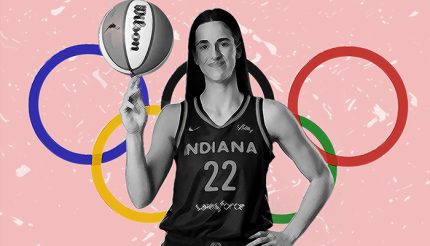
    They decided not to include Caitlin Clark, the most popular player in women’s basketball, on the Olympic team. This decision was confusing because having Clark on the team could have been a huge boost for the sport.

    Why Women’s Basketball Struggles

    Women’s Basketball Struggles

    Women’s basketball has always had amazing athletes and thrilling moments, but it still struggles with:

    1. Less Media Coverage: Women’s sports don’t get as much attention from TV and news. This means fewer people see the games and get to know the players.
    2. Less Marketing and Sponsorship: Companies spend more money on men’s basketball for ads and sponsorships. This means women’s basketball has less money to promote the games and players.
    3. Old Stereotypes: Some people still have outdated ideas about women in sports, thinking they aren’t as exciting or skilled as men. This hurts the popularity of women’s basketball.

    Despite these problems, women’s basketball has seen some success, especially with stars like Caitlin Clark. She’s known for her amazing scoring, passing, and personality, making her a fan favorite.

    The Caitlin Clark Snub

    Caitlin

    Leaving Caitlin Clark off the Olympic team doesn’t make sense. She’s incredibly popular and talented, and her presence could have brought a lot of attention to the sport. Fans love watching her play, and she could have helped attract new fans to women’s basketball.

    Many people believe that including Clark in the Olympic team would have been a smart move. It would have shown off the talent in women’s basketball and inspired young players and fans.

    Not including Caitlin Clark is a missed chance to promote women’s basketball. The Olympic Committee could have used her star power to draw more attention and excitement to the sport.

    As women’s sports are finally starting to get more recognition, decisions like this can really matter. It’s important for the people in charge to make choices that help the sport grow and reach more fans. Including popular players in big events like the Olympics is key to this strategy.

    Potential Distraction for Team USA

    This decision might also distract the Team USA women’s basketball team. With so many people talking about why Caitlin Clark was left off the roster, the team might find it hard to focus. The players and coaches could face questions and criticism that take their attention away from preparing for the games.

    Having a popular player like Clark on the team could have united and motivated the team. Instead, the controversy over her exclusion could create tension and take away from the team’s performance.

    While the decision to leave Caitlin Clark off the team is disappointing, it reminds us of the challenges women’s basketball still faces. To help the sport grow, there needs to be more media coverage, better marketing, and efforts to change old stereotypes.

    Using the popularity of star players like Caitlin Clark can help bring more attention to the sport and inspire future athletes and fans. Women’s basketball has a lot of potential, and with the right support, it can become as popular as it deserves to be.

  • Action-Packed Summer Camps: Top Picks for Young Athletes

    Fun Summer Camps for Young Athletes

    Summer is the perfect time for young athletes to have fun, stay active, and try new things. Summer camps focused on traditional sports are a fantastic way to keep kids fit and enjoy the sunny weather. Here are some of the best summer camps for popular sports that are both exciting and beneficial for young athletes.

    1. Football Camps

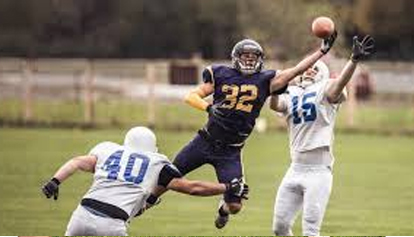
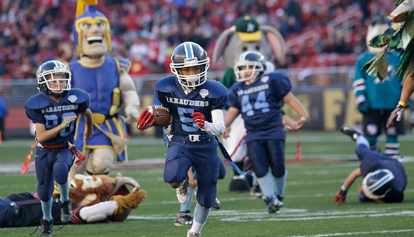
    Football camps are an awesome way to improve skills, learn teamwork, and have a blast. Kids get to practice passing, catching, running plays, and tackling in a safe and fun environment. These camps often include drills, scrimmages, and even tips from experienced coaches or former players, making it an exciting way to learn and play.

    2. Baseball Camps

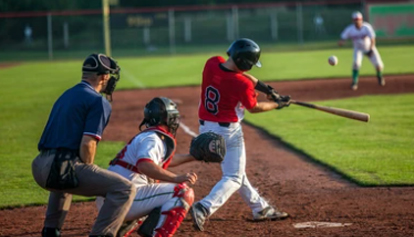
    Baseball camps help kids develop their hitting, pitching, and fielding skills. They get to participate in batting practice, learn to pitch accurately, and work on their catching and throwing. Playing in games and drills helps improve their abilities and boosts their confidence. Plus, it’s a great way to make new friends who share a love for the game.

    3. Basketball Camps

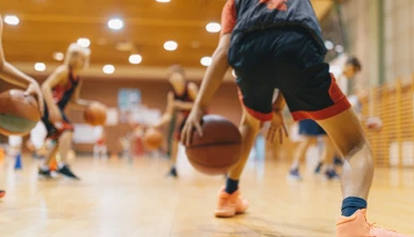
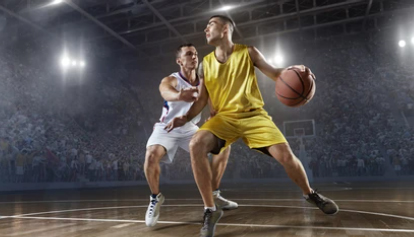
    Basketball camps focus on improving dribbling, shooting, passing, and defensive skills. Kids get to play in games, work on their teamwork, and learn new strategies. These camps are full of energy and excitement, providing a fun way to enhance basketball skills and stay active.

    4. Soccer Camps

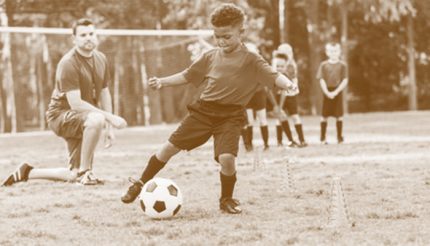
    Soccer camps are fantastic for young athletes who love running and playing with a team. These camps often focus on dribbling, passing, shooting, and playing matches. Kids get to improve their footwork, learn new techniques, and enjoy the thrill of scoring goals. Soccer camps are a great way to build endurance and coordination while having loads of fun.

    5. Volleyball Camps

    Volleyball Camps – Summer volleyball training

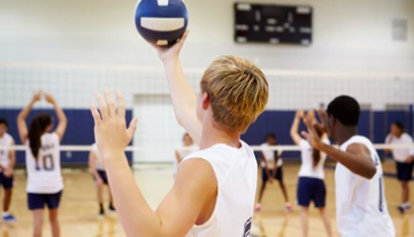
    Volleyball camps teach kids the fundamentals of serving, setting, spiking, and blocking. These camps are perfect for developing teamwork and communication skills. With plenty of drills, games, and friendly competitions, volleyball camps offer an exciting way to learn and play this popular sport.

    6. Cheer Camps

    Cheer Camps – action-packed summer sessions

    Cheer camps are all about energy, spirit, and teamwork. Kids learn cheerleading routines, stunts, and dances while building strength and flexibility. These camps also focus on building confidence and leadership skills. Cheer camps are a fun way to stay active, make friends, and learn new cheer techniques.

    7. Wrestling Camps

    Wrestling summer camps – skill building and competition

    Wrestling camps help young athletes develop strength, agility, and technique. These camps focus on teaching various wrestling moves, holds, and strategies in a supportive environment. Wrestling helps improve balance, coordination, and mental toughness. Camps often include matches and tournaments, making it a challenging and exciting experience.

    Summer camps focused on traditional sports are a great way for young athletes to stay active, improve their skills, and have fun. Whether it’s football, baseball, basketball, soccer, volleyball, cheer, or wrestling, these camps provide a mix of structured training and exciting activities. Encouraging participation in sports camps helps kids stay healthy, make new friends, and create lasting summer memories. So, get ready for an action-packed summer filled with sports and fun!

  • Shaping the Future: How NIL is Transforming Youth and High School Sports

    In youth sports, the influence of NIL (Name, Image, and Likeness) can manifest in several specific ways, reflecting a shift in the culture and priorities surrounding young athletes. Here are some examples and an expanded discussion on this topic:

    Youth soccer blog – branding for young players

    • 1. Early Focus on Branding:

      Young athletes may start to engage in personal branding activities much earlier than before. For instance, a talented youth soccer player might create a social media presence showcasing their skills, training routines, and achievements. Platforms like Instagram, TikTok, and YouTube become tools for these young athletes to build a following, which could potentially be monetized in the future.

    • 2. Increased Investment in Development:

      Parents and guardians may invest more in their children’s sports careers in anticipation of future NIL opportunities. This could include enrolling them in specialized training programs, hiring personal coaches, or investing in high-quality equipment. For example, a promising young basketball player might attend elite training camps or work with a personal shooting coach to enhance their skills and marketability.

    Youth soccer blog – high-profile event participation

    • 3. Participation in High-Profile Events:

      Young athletes might seek opportunities to participate in high-profile tournaments and showcases to gain exposure. For example, a high school quarterback might attend nationally recognized football camps and combines to attract attention from college scouts, media, and potential sponsors.

    • 4. Engagement with Early Endorsements:

      Although direct financial benefits are less likely for legal and ethical reasons, youth athletes might engage in non-monetary endorsements or partnerships. A young swimmer with a significant social media following could partner with a swimwear brand for product placements or promotional content, even if they’re not directly compensated.

    • 5. Influence on Sports Choices:

      The potential for future NIL earnings could influence the sports that young athletes choose to pursue. Sports with higher visibility and greater commercial appeal, such as football and basketball, might see an increase in participation rates as families and young athletes perceive them as more lucrative in terms of future NIL opportunities.

    • 6. Shift in Educational Priorities:

      There may be a growing emphasis on education related to marketing, personal branding, and financial management for young athletes. Workshops, online courses, or even school curricula could start to include elements that teach young athletes how to manage their personal brand and understand the business aspects of sports.

    In essence, the NIL era is likely to usher in a new dynamic in youth sports, where marketability and personal branding become as important as athletic prowess. This shift could lead to both positive outcomes, such as increased opportunities and professionalization of youth sports, and potential challenges, such as undue pressure on young athletes and an overemphasis on commercial aspects at the expense of pure sportsmanship and development.


    The impact of NIL (Name, Image, and Likeness) on high school sports, particularly in terms of recruitment and athlete preparation, can be illustrated through specific examples and a deeper exploration of the implications:

    • 1. Recruitment Strategies:

      High schools known for their strong sports programs might use their track record of producing college-level athletes with successful NIL deals as a recruiting tool. For instance, a high school football program that has alumni who have secured lucrative NIL deals in college could highlight this success to attract promising freshmen. This could create a more competitive recruitment environment, where schools with better exposure and connections to potential NIL opportunities have an edge in attracting top talent.

    • 2. Athlete Decision-Making:

      High school athletes might prioritize schools based on their potential to enhance their marketability for future NIL deals. A star basketball player, for example, might choose a high school with a strong media presence, high-quality facilities, and a history of alumni success in college and professional leagues. The athlete’s decision could be influenced by the school’s ability to provide a platform that enhances their visibility and marketability.

    • 3. Increased Exposure Opportunities:

      High schools may seek to provide more exposure for their athletes through various means. This could include organizing televised games, participating in national tournaments, or promoting athletes on social media. For example, a high school soccer team might livestream their games on social media platforms or collaborate with local media to feature their star players, thereby increasing their visibility.

    Youth soccer blog – exposure opportunities

    • 4. Educational Programs on Branding and Finance:

      Recognizing the importance of NIL, high schools could implement educational programs focused on personal branding, social media management, and financial literacy. These programs would prepare athletes for the business aspects of sports, teaching them how to build and manage their personal brand, understand contracts, and handle finances responsibly. For instance, a high school could offer workshops or elective courses on these topics, specifically tailored to the needs of student-athletes.

    • 5. Athlete Workshops and Seminars:

      High schools might collaborate with marketing experts, financial advisors, and legal professionals to offer workshops and seminars for athletes and their families. These sessions could cover topics like the ethical and legal aspects of NIL deals, strategies for effective self-promotion, and understanding the long-term implications of personal branding decisions.

    • 6. Enhanced Media Training:

      High schools could provide media training for athletes to help them navigate interviews, social media interactions, and public appearances effectively. This training would be crucial for building a positive and marketable public image, which is integral to maximizing NIL opportunities.

    In summary, NIL is poised to transform the landscape of high school sports, especially in high-profile sports like football and basketball. It encourages a more strategic approach to school selection, increases the emphasis on exposure and branding, and necessitates educational initiatives to prepare athletes for the business aspects of sports. These changes could lead to greater opportunities for athletes but also raise questions about the increasing commercialization of high school sports and its impact on the overall educational and developmental experience of student-athletes.


  • Managing Reputation Challenges: Navigating Team Crises in Sports

    Reputation is a valuable asset for any sports team. From sponsorship deals to fan loyalty and overall brand value, a positive reputation can significantly impact a team’s success both on and off the field. However, sports teams, like any other entity, can face crises that threaten their reputation. Whether it’s a player’s off-field behavior, management decisions, or external events, effective crisis management is essential. This article provides guidance on navigating reputation challenges in sports.

    1. Anticipate Potential Crises

    Anticipate Potential Crises

    Benefit: By identifying possible sources of crises, teams can prepare strategies to either prevent them or minimize their impact.

    Steps:

    • Conduct a vulnerability assessment to identify weak points.
    • Monitor social media and news outlets to stay informed about possible reputational threats.

    2. Quick and Transparent Response

    Quick and Transparent Response

    Benefit: Responding quickly and transparently can help control the narrative.

    Steps:

    • Acknowledge the situation promptly.
    • If there’s limited information, communicate that investigations are underway and more updates will follow.
    • Avoid hiding or downplaying the situation. This can lead to further backlash.

    3. Engage a Crisis Communication Team

    Engage a Crisis Communication Team

    Benefit: A dedicated team can manage the situation professionally, ensuring consistent messaging and rapid response.

    Steps:

    • This team should comprise PR professionals, legal counsel, and senior management.
    • Regularly train and run simulation exercises to be better prepared.

    4. Take Responsibility

    Take Responsibility

    Benefit: Accepting responsibility can help in rebuilding trust.

    Steps:

    • If the team or any of its members are at fault, admit the mistake.
    • Outline the steps being taken to ensure such an incident doesn’t recur.

    5. Engage with Stakeholders

    Engage with Stakeholders

    Benefit: Keeping channels of communication open can help in understanding the sentiment and addressing concerns effectively.

    Steps:

    • Address the concerns of fans, sponsors, and other stakeholders directly.
    • Consider holding press conferences, town hall meetings, or Q&A sessions.

    6. Demonstrate Action

    Demonstrate Action

    Benefit: Actions speak louder than words. Demonstrating change can help in regaining lost trust.

    Steps:

    • Implement changes based on lessons learned from the crisis.
    • Regularly update stakeholders on the progress of these changes.

    7. Monitor and Rebuild

    Monitor and Rebuild

    Benefit: Continuous monitoring can help in assessing the effectiveness of recovery strategies.

    Steps:

    • Use media monitoring tools to gauge public sentiment.
    • Engage in positive community outreach programs to rebuild the team’s image.

    8. Review and Learn

    Review and Learn

    Benefit: Every crisis provides lessons that can help in handling future situations better.

    Steps:

    • After the situation has been resolved, conduct a post-crisis review.
    • Identify what went well and areas of improvement.

    Reputation challenges in sports can be daunting, but with a proactive approach, they can be managed effectively. The key lies in quick, transparent, and responsible actions that prioritize the concerns of fans and stakeholders. By demonstrating commitment to change and learning from each crisis, sports teams can emerge stronger and more resilient.

  • The Impact of Daddy Ball on Youth Sports: A Blessing or a Curse?

    The term “Daddy Ball” may sound cute or even benign to those outside the youth sports community, but inside it, the phrase often triggers heated debates. The term refers to a situation where a parent, often the father, coaches a youth sports team and seemingly favors their own child with more playing time, key positions, or leadership roles, sometimes at the expense of other more talented or deserving players. But is “Daddy Ball” inherently bad for the sport, or is it just another facet of the complicated world of youth sports? Let’s dive in.

    Pros of Daddy Ball:

    Pros of Daddy Ball

    1. Increased Participation: One undeniable benefit is that many youth sports teams might not even exist without parents volunteering as coaches. The sacrifice of time, resources, and energy is commendable. This ensures that more children get an opportunity to play and participate in sports.
    2. Familiarity and Comfort: For some children, having a parent as a coach can provide an added layer of comfort. This can boost their confidence, making them more enthusiastic participants.
    3. Commitment to the Team: Parent-coaches, by virtue of their own child’s involvement, often show a deeper commitment to the team’s continuity and success.

    Cons of Daddy Ball:

    Cons of Daddy Ball

    1. Bias and Favoritism: The most significant criticism is the perceived or real favoritism shown to the coach’s child. This can demoralize other players, leading to resentment, decreased effort, or even quitting the sport altogether.
    2. Stunted Player Development: When certain players are consistently given preferential treatment or playing time, it limits opportunities for others to develop their skills in actual game situations.
    3. Conflict of Interest: Parent-coaches can sometimes find it challenging to separate their parental instincts from their coaching duties, leading to decisions that may not be in the best interest of the team.
    4. Interpersonal Conflicts: Disagreements about playing time, positioning, or strategy can become more personal and heated when the coach is also a parent.

    The Impact on the Sport:

    The Impact on the Sport

    1. Potential Decline in Quality: If talented players are consistently sidelined in favor of less skilled players due to favoritism, the overall quality of play can suffer.
    2. Reduced Player Retention: Players who feel marginalized may choose to quit, leading to a loss of talent and passion from the sport.
    3. Negative Reputation: Persistent issues with “Daddy Ball” can give a sport or specific league a bad reputation, discouraging new participants or even sponsors.

    Finding a Balance:

    Finding a Balance

    While there are both positives and negatives associated with “Daddy Ball,” the key lies in finding a balance. Transparency, open communication, and regular feedback can alleviate many concerns. If parent-coaches prioritize fairness, team growth, and individual player development above personal bias, many of the negative aspects can be minimized.

    “Daddy Ball” is a multi-faceted issue in youth sports. While parent-coaches play an invaluable role in sustaining and fostering youth sports programs, it’s essential to acknowledge and address the challenges that come with it. Through continuous training, self-awareness, and open dialogue, the youth sports community can ensure that the spirit of fairness and development remains at the heart of the game. After all, the primary goal should always be to nurture a love for the sport and cultivate skills and character in young athletes.
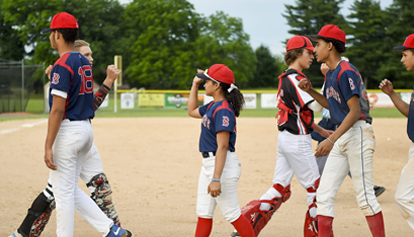
  • Best Baseball Offseason Drills and Why They Matter

    When the final out is called, and the dust settles after an intense baseball season, players face the choice of what to do during the offseason. Just because there are no scheduled games doesn’t mean it’s time to hang up the cleats and take a break. In fact, the offseason is an optimal period to refine skills, improve weaknesses, and build strength and endurance for the upcoming season.

    Here, we’ll explore some of the best baseball offseason drills and understand their significance in a player’s development.

    1. Tee Work

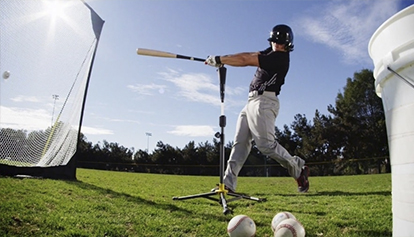
    Tee Work-A

    • What is it? Hitting off a tee, often regarded as a basic drill for youngsters, is beneficial for players of all ages and skill levels. This exercise allows players to focus on the mechanics of their swing without the distraction of a pitched ball.
    • Why it matters: Tee work lets players correct swing flaws, work on hitting to different fields, and create consistent swing paths. Moreover, it helps develop muscle memory, ensuring the body reacts instinctively during actual games.

    2. Long Toss

    Long Toss

    • What is it? Long toss is an exercise where players throw the ball over increasing and then decreasing distances.
    • Why it matters: This drill improves arm strength and flexibility. It also allows players to stretch out their arms, increasing their throwing distance and velocity over time.

    3. Soft Hands Fielding Drill

    Soft Hands Fielding Drill

    • What is it? Players, especially infielders, practice fielding ground balls using only their hands, often with a smaller glove or even a bare hand.
    • Why it matters: This drill improves hand-eye coordination and helps players focus on receiving the ball with soft hands, leading to fewer fielding errors.

    4. Baserunning Drills

    Baserunning Drills

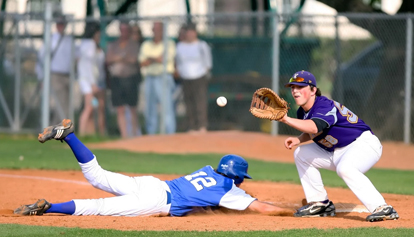
    • What is it? These drills involve practicing base-stealing jumps, rounding the bases, sliding, and more.
    • Why it matters: Efficient baserunning can be the difference between a win and a loss. These drills help improve a player’s speed, agility, and decision-making on the base paths.

    5. Pitchers’ Bullpen Sessions

    Pitchers\' Bullpen Sessions

    • What is it? Pitchers throw to a catcher in a controlled setting, working on different pitches, placements, and techniques.
    • Why it matters: Bullpen sessions allow pitchers to refine their mechanics, develop new pitches, and build arm strength without the pressure of a live game.

    6. Footwork Drills

    Footwork Drills

    • What is it? Drills that focus on a player’s foot movement, whether it’s for fielding, batting, or pitching.
    • Why it matters: Proper footwork sets the foundation for effective playing. For instance, good footwork can help a fielder get to a ball quicker or a batter generate more power from their swing.

    7. Strength and Conditioning

    Strength and Conditioning

    • What is it? A combination of gym workouts, plyometrics, agility drills, and cardiovascular training tailored for baseball players.
    • Why it matters: A strong, well-conditioned body can greatly enhance on-field performance, reduce the risk of injuries, and prolong a player’s career.

    The offseason offers baseball players a golden opportunity to elevate their game. By focusing on these drills and understanding their significance, players can maximize their potential and come back next season stronger, faster, and more skilled than before. As the legendary Hall of Famer Willie Mays once said, “It isn’t hard to be good from time to time in sports. What is tough is being good every day.” Offseason training is the key to achieving such consistency.