Design Your Uniform

Author: Allen Sportswear Team

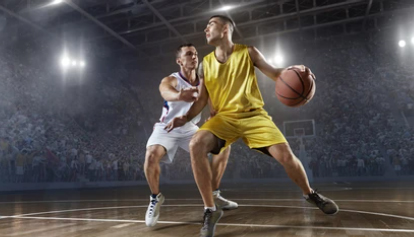
  • Mastering the Art: Crafting the Perfect Basketball Shot from 3-Point Range, 2-Point Range, and Layups

    In the dynamic sport of basketball, shooting is a fundamental skill that can significantly impact a team’s success. Whether it’s a long-range bomb from beyond the arc or a graceful layup at the rim, each shot requires precision, technique, and practice. In this article, we will delve into the essential elements of creating the perfect basketball shot from three-point range, two-point range, and layups. By understanding the intricacies of each shot and focusing on key aspects, players can enhance their shooting abilities and contribute to their team’s victory.

    1. The Art of the 3-Point Shot

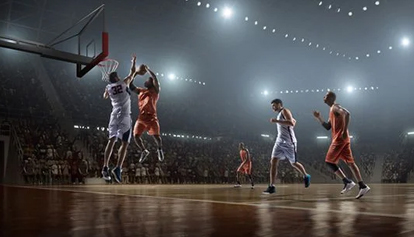
    The three-point shot has revolutionized the game, and mastering it can provide a significant advantage. To create the perfect shot from beyond the arc, players should pay attention to the following:

    a. Balance and Footwork: Start with a balanced stance, with feet shoulder-width apart and toes pointed towards the basket. Maintain proper footwork, including a slight bend in the knees, to generate power and stability.

    b. Proper Grip and Hand Placement: Ensure a consistent and comfortable grip on the basketball. Place the shooting hand behind the ball with the fingertips spread evenly, while the non-shooting hand provides support on the side. This facilitates a fluid release and optimal backspin on the ball.

    c. Smooth Shooting Motion: Initiate the shot with a smooth and fluid motion, using the legs to generate power. Extend the shooting arm upward, keeping the elbow tucked in and wrist relaxed. Focus on a high release point, aiming to release the ball with a flick of the wrist at the peak of the jump.

    1. Mastering the 2-Point Shot

    Shooting from mid-range is an art form that requires precision and versatility. To excel in the two-point shot, players should focus on the following:

    a. Footwork and Balance: Similar to the three-point shot, balance and footwork are crucial in creating a solid foundation. Proper alignment, with feet squared towards the basket, allows for better accuracy and control.

    b. Establishing a Shooting Rhythm: Develop a smooth shooting rhythm by practicing a consistent shooting motion. This involves using the legs to generate power, extending the shooting arm upwards, and releasing the ball with a relaxed wrist and follow-through. Pay attention to the release point, aiming for a high release to minimize the chances of being blocked.

    c. Utilizing the Backboard: In close-range situations, players should leverage the backboard effectively. Develop a feel for banking the ball off the backboard at different angles, taking into account the distance from the hoop and the angle of approach. This technique can significantly increase shooting accuracy in tight spaces.

    1. The Finesse of Layups

    Layups are high-percentage shots that require agility, body control, and a delicate touch. To master this fundamental shot, players should focus on the following:

    a. Footwork and Approach: Develop a quick first step and use proper footwork to maximize efficiency and reduce the chances of getting blocked. As you approach the basket, coordinate your steps and timing to ensure a smooth transition from the dribble to the shot.

    b. Body Control and Angles: Maintain body control throughout the shot, using your non-dominant hand as a guide while protecting the ball. Adjust your body position to create angles that allow for optimal use of the backboard, reducing the chances of the shot bouncing off the rim.

    c. Soft Touch and Finesse: Develop a soft touch on the ball, focusing on releasing it gently and with control. Aim to make minimal contact with the rim, utilizing the backboard when necessary to guide the ball into the basket. Practice various layup techniques, including reverse layups and euro-steps, to enhance your scoring arsenal.

    Conclusion

    Becoming a proficient shooter in basketball requires diligent practice, attention to detail, and a deep understanding of the nuances of each shot. By focusing on balance, footwork, proper hand placement, shooting rhythm, and utilizing the backboard effectively, players can enhance their shooting abilities from three-point range, mid-range, and layups. Through consistent practice and a commitment to perfecting these techniques, players can elevate their game, contribute to their team’s success, and become a force to be reckoned with on the court.


  • Closing the Gap: Global Basketball Challenges Team USA

    For decades, the U.S. men’s basketball team was considered invincible, dominating international competitions with ease. However, recent years have seen a significant shift as the rest of the world has caught up, creating a much more competitive landscape. Here’s a look at how this transformation has occurred and what the U.S. can do to regain its edge.

    The Rise of Global Talent

    basketball

    International Stars in the NBA: Countries like Serbia, Greece, and France now boast rosters filled with top-tier talent. Players like Nikola Jokic, Giannis Antetokounmpo, and Rudy Gobert have achieved significant success in the NBA, demonstrating that the skill gap between American and international players has narrowed considerably (NBC Olympics) (NBC Olympics).

    Adapting to FIBA Rules

    Differences in Play: International basketball rules differ from those of the NBA. Games are shorter, and defensive regulations, such as the absence of the defensive three-second rule, change the dynamics. These differences can give international players an advantage, as they are more accustomed to these rules (NBC Olympics).

    Team Chemistry and Experience

    Cohesion and Continuity: Many international teams benefit from players who have competed together for years, fostering strong team chemistry. This continuity contrasts with the U.S. team, where the roster frequently changes, making it challenging to build the same level of teamwork (NBC Olympics) (NBC Olympics).

    The NBA’s Global Influence

    basketball

    Global Inspiration: The NBA’s popularity worldwide has inspired young athletes everywhere to pursue basketball at a high level. This global influence has raised the overall quality of international play, making competitions more challenging for Team USA (NBC Olympics) (NBC Olympics).

    Strategies for the U.S. to Reassert Dominance

    1. Invest in Youth Development Programs

    • Enhanced Training: Establish and fund more advanced training programs for young athletes across the country, focusing on skill development, basketball IQ, and physical conditioning from an early age.
    • Grassroots Programs: Support grassroots basketball programs that identify and nurture talent in diverse communities. This can ensure a broad base of skilled players who can progress to higher levels.

    2. Improve Coaching Quality

    basketball

    • Coach Education: Implement nationwide coaching education programs to ensure that coaches at all levels are equipped with the latest techniques and strategies. This can help young players develop more effectively.
    • International Learning: Encourage U.S. coaches to learn from successful international coaching methods, incorporating a blend of American and global best practices.

    3. Incorporate International Styles of Play

    basketball

    • Hybrid Techniques: Blend the fast-paced, athletic style of U.S. basketball with the tactical and technical styles seen in European and other international teams. This can create a more versatile and unpredictable style of play.
    • FIBA Rules Familiarization: Regularly train and play under FIBA rules to ensure players are comfortable and can excel under different game conditions.

    4. Focus on Team Chemistry

    basketball
     
    • Long-term Team Building: Form national teams early and keep the core group together for multiple tournaments. This can improve team chemistry and performance.
    • Frequent Training Camps: Conduct regular training camps and friendly matches for the national team to build cohesion and understanding among players.

    5. Enhance Scouting and Recruitment

    • Global Scouting: Expand scouting efforts to identify not just American talent but also dual-nationality players who can bring diverse skills to the team.
    • Data Analytics: Use advanced data analytics to scout and develop players more effectively, ensuring that only the top talents are funneled into the national team program.

    6. Increase Player Incentives

    basketball

    • Financial Incentives: Offer competitive financial incentives for players to participate in international competitions, ensuring that top NBA stars are motivated to join the national team.
    • Branding and Marketing: Promote the prestige of playing for Team USA, making it a sought-after goal for professional players.

    7. Leverage NBA’s Influence

    basketball

    • NBA Partnerships: Leverage the NBA’s global influence to create partnerships and exchange programs with international leagues, helping players gain diverse experiences.
    • Player Development: Utilize NBA facilities and resources for the development of national team players, ensuring they have access to the best training environments.

    By combining these strategies, the U.S. can work towards re-establishing a clear dominance in international basketball, ensuring that American teams are not only skilled but also well-prepared and cohesive. This multi-faceted approach can help bridge any existing gaps and create a sustainable advantage over other countries (NBC Olympics) (NBC Olympics) (NBC Olympics).

  • Women’s Basketball Struggles and the Olympic Committee’s Big Mistake

    Women’s basketball has faced many challenges in becoming as popular as men’s basketball. Despite having great players and exciting games, it hasn’t gotten the attention it deserves. Recently, the USA Women’s Olympic Basketball Committee made a surprising decision that left many fans scratching their heads.

    They decided not to include Caitlin Clark, the most popular player in women’s basketball, on the Olympic team. This decision was confusing because having Clark on the team could have been a huge boost for the sport.

    Why Women’s Basketball Struggles

    Women’s Basketball Struggles

    Women’s basketball has always had amazing athletes and thrilling moments, but it still struggles with:

    1. Less Media Coverage: Women’s sports don’t get as much attention from TV and news. This means fewer people see the games and get to know the players.
    2. Less Marketing and Sponsorship: Companies spend more money on men’s basketball for ads and sponsorships. This means women’s basketball has less money to promote the games and players.
    3. Old Stereotypes: Some people still have outdated ideas about women in sports, thinking they aren’t as exciting or skilled as men. This hurts the popularity of women’s basketball.

    Despite these problems, women’s basketball has seen some success, especially with stars like Caitlin Clark. She’s known for her amazing scoring, passing, and personality, making her a fan favorite.

    The Caitlin Clark Snub

    Caitlin

    Leaving Caitlin Clark off the Olympic team doesn’t make sense. She’s incredibly popular and talented, and her presence could have brought a lot of attention to the sport. Fans love watching her play, and she could have helped attract new fans to women’s basketball.

    Many people believe that including Clark in the Olympic team would have been a smart move. It would have shown off the talent in women’s basketball and inspired young players and fans.

    Not including Caitlin Clark is a missed chance to promote women’s basketball. The Olympic Committee could have used her star power to draw more attention and excitement to the sport.

    As women’s sports are finally starting to get more recognition, decisions like this can really matter. It’s important for the people in charge to make choices that help the sport grow and reach more fans. Including popular players in big events like the Olympics is key to this strategy.

    Potential Distraction for Team USA

    This decision might also distract the Team USA women’s basketball team. With so many people talking about why Caitlin Clark was left off the roster, the team might find it hard to focus. The players and coaches could face questions and criticism that take their attention away from preparing for the games.

    Having a popular player like Clark on the team could have united and motivated the team. Instead, the controversy over her exclusion could create tension and take away from the team’s performance.

    While the decision to leave Caitlin Clark off the team is disappointing, it reminds us of the challenges women’s basketball still faces. To help the sport grow, there needs to be more media coverage, better marketing, and efforts to change old stereotypes.

    Using the popularity of star players like Caitlin Clark can help bring more attention to the sport and inspire future athletes and fans. Women’s basketball has a lot of potential, and with the right support, it can become as popular as it deserves to be.

  • Action-Packed Summer Camps: Top Picks for Young Athletes

    Fun Summer Camps for Young Athletes

    Summer is the perfect time for young athletes to have fun, stay active, and try new things. Summer camps focused on traditional sports are a fantastic way to keep kids fit and enjoy the sunny weather. Here are some of the best summer camps for popular sports that are both exciting and beneficial for young athletes.

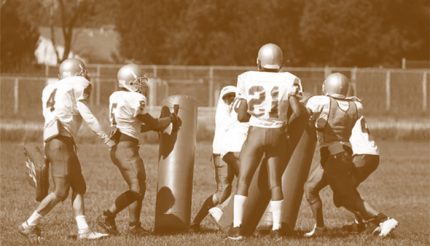
    1. Football Camps

    Football camps are an awesome way to improve skills, learn teamwork, and have a blast. Kids get to practice passing, catching, running plays, and tackling in a safe and fun environment. These camps often include drills, scrimmages, and even tips from experienced coaches or former players, making it an exciting way to learn and play.

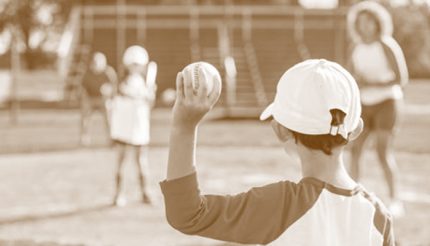
    2. Baseball Camps

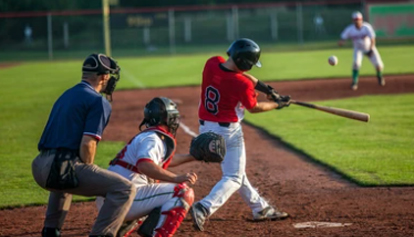
    Baseball camps help kids develop their hitting, pitching, and fielding skills. They get to participate in batting practice, learn to pitch accurately, and work on their catching and throwing. Playing in games and drills helps improve their abilities and boosts their confidence. Plus, it’s a great way to make new friends who share a love for the game.

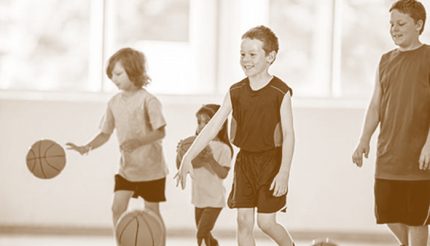
    3. Basketball Camps

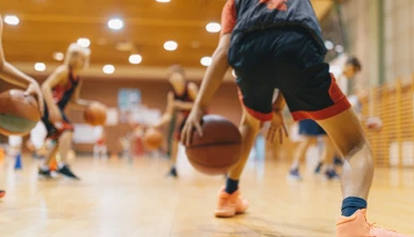
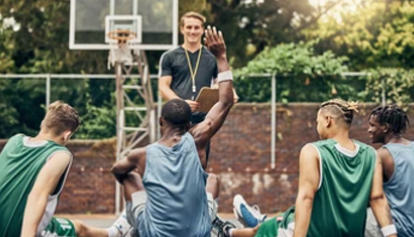
    Basketball camps focus on improving dribbling, shooting, passing, and defensive skills. Kids get to play in games, work on their teamwork, and learn new strategies. These camps are full of energy and excitement, providing a fun way to enhance basketball skills and stay active.

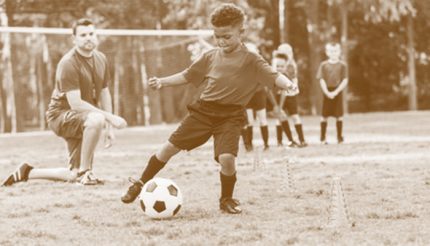
    4. Soccer Camps

    Soccer camps are fantastic for young athletes who love running and playing with a team. These camps often focus on dribbling, passing, shooting, and playing matches. Kids get to improve their footwork, learn new techniques, and enjoy the thrill of scoring goals. Soccer camps are a great way to build endurance and coordination while having loads of fun.

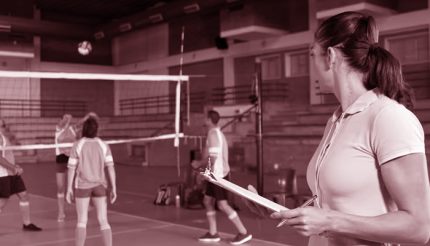
    5. Volleyball Camps

    Volleyball Camps – Summer volleyball training

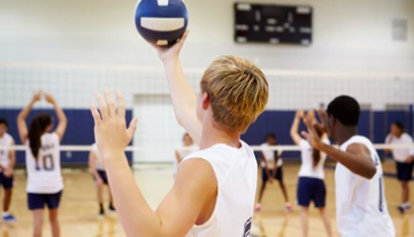
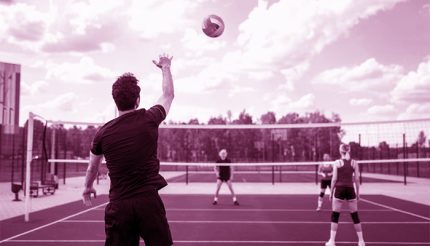
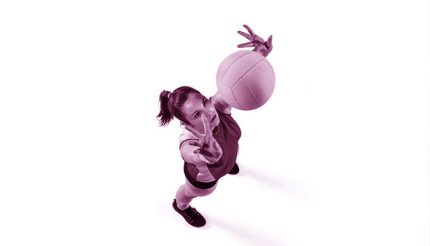
    Volleyball camps teach kids the fundamentals of serving, setting, spiking, and blocking. These camps are perfect for developing teamwork and communication skills. With plenty of drills, games, and friendly competitions, volleyball camps offer an exciting way to learn and play this popular sport.

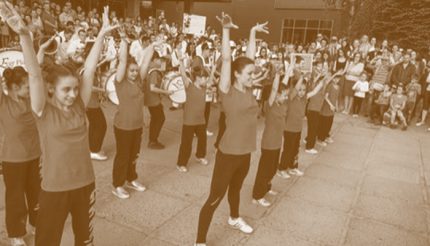
    6. Cheer Camps

    Cheer Camps – action-packed summer sessions

    Cheer camps are all about energy, spirit, and teamwork. Kids learn cheerleading routines, stunts, and dances while building strength and flexibility. These camps also focus on building confidence and leadership skills. Cheer camps are a fun way to stay active, make friends, and learn new cheer techniques.

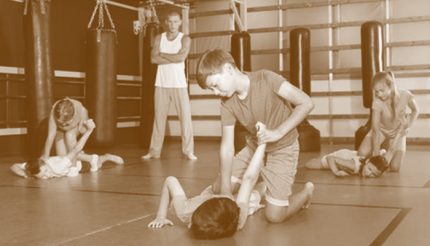
    7. Wrestling Camps

    Wrestling summer camps – skill building and competition

    Wrestling camps help young athletes develop strength, agility, and technique. These camps focus on teaching various wrestling moves, holds, and strategies in a supportive environment. Wrestling helps improve balance, coordination, and mental toughness. Camps often include matches and tournaments, making it a challenging and exciting experience.

    Summer camps focused on traditional sports are a great way for young athletes to stay active, improve their skills, and have fun. Whether it’s football, baseball, basketball, soccer, volleyball, cheer, or wrestling, these camps provide a mix of structured training and exciting activities. Encouraging participation in sports camps helps kids stay healthy, make new friends, and create lasting summer memories. So, get ready for an action-packed summer filled with sports and fun!

  • Spiking Success: A Complete Guide to Launching a Thriving Volleyball Club

    Starting a volleyball club is a fulfilling endeavor, blending passion for the sport with community building. Here’s a comprehensive guide on how to establish a club, covering essential points from selecting the right team of coaches and volunteers to scouting talent.

    1. Getting the Right Coaches and Volunteers

    A successful club starts with a solid foundation, and that means assembling a team of dedicated coaches and volunteers. Look for individuals with a blend of experience, passion for volleyball, and a commitment to youth development. Networking within local sports communities, posting on job boards, and leveraging social media can help attract the right talent. Remember, diversity in coaching skills and personalities can enrich the club’s culture and offer varied learning experiences to players.

    2. Building the Brand of the Club

    volleyball

    Your club’s brand is more than a logo or colors; it’s the heart and soul of your organization. It represents your ethos, your community, and your goals. Start with a name that resonates with your vision and is easily identifiable. Design a logo that’s both memorable and reflective of your club’s spirit. Creating a brand identity involves consistent messaging across all platforms, showcasing what sets your club apart and building a community around your shared love for volleyball.

    3. Creating a Website

    volleyball website

    In today’s digital age, a website is your club’s storefront. It should be user-friendly, informative, and visually appealing. Include sections for news, schedules, team rosters, and registration information. Tools like WordPress or Wix offer user-friendly platforms for creating attractive websites without needing to code. Integrating social media feeds and including a blog can keep content fresh and drive engagement.

    4. Registering Your Organization as a Non-Profit

    nonprofit volleyball

    Registering as a non-profit can offer significant advantages, including tax exemptions and eligibility for grants and donations. The process involves filing paperwork with your state and obtaining 501(c)(3) status from the IRS. This status requires adherence to certain regulations but supports your club’s long-term sustainability and credibility. Consulting with a legal expert in non-profit organizations can streamline this process.

    5. Scouting and Assembling the Right Talent

    volleyball

    Building a competitive and cohesive team is about more than just raw talent. Host open tryouts to scout players, looking for those who not only have skill but also demonstrate teamwork, sportsmanship, and a desire to grow. Consider players’ potential and attitude as much as their current skill level. Developing a network with local schools and other sports organizations can aid in talent scouting, as well as offering clinics or workshops to attract young athletes to your club.

    Starting a volleyball club is an exciting journey that can have a profound impact on your community and the lives of young athletes. By focusing on building a strong foundational team, establishing a compelling brand, creating a dynamic online presence, ensuring legal and financial structuring, and assembling a team of talented and dedicated players, you can set your club up for success. Remember, the key to a successful volleyball club lies in its ability to foster a supportive, nurturing environment that promotes growth, teamwork, and a love for the game.

  • From Average to Elite: Transforming Your Volleyball Team into Championship Contenders

    1. Building a Foundation of Skills:

    volleyball Team

    • Structured Training: Establish a regular, structured training regimen focusing on fundamental skills. Use drills that simulate match conditions to improve player reflexes and skill application under pressure.
    • Skill Assessment: Regularly assess each player’s skills to identify areas needing improvement. Tailor individual training sessions to address these areas, ensuring balanced development across the team.
    • Feedback and Adaptation: Provide continuous, constructive feedback. Encourage a growth mindset, where players view criticism as an opportunity for growth.

    2. Strategic Team Development:

    volleyball Team

    • Playbook Development: Develop a comprehensive playbook that aligns with your team’s strengths. Regularly update strategies based on opponent analysis and team performance.
    • Role Clarity: Ensure each player understands their role and the expectations associated with it. This clarity will enhance team cohesion and strategic execution.
    • Game Simulations: Conduct regular game scenario practices to help players adapt to different strategies, fostering adaptability and tactical intelligence.

    3. Cultivating a Winning Mindset:

    volleyball Team

    • Mental Conditioning: Incorporate mental conditioning into your training program. Techniques like visualization, concentration exercises, and positive affirmations can enhance mental toughness.
    • Team Building: Organize team-building activities that promote trust, communication, and camaraderie. A united team is more resilient under pressure.
    • Leadership and Accountability: Foster a culture where players take personal accountability for their performance while also supporting their teammates. Encourage players to take on leadership roles, providing peer motivation and support.

    By meticulously implementing these strategies with patience and persistence, your volleyball team can transform into a disciplined, strategically savvy, and mentally tough contender, ready to take on any challenge with confidence and team unity.

  • Preparing for the Upcoming Wrestling Season: Offseason Strategies

    Wrestling is a demanding sport that requires year-round dedication to stay competitive. The offseason is a critical period for wrestlers to rest, recover, and refine their skills to come back stronger for the next season. Here’s a guide on what to do in the offseason to prepare effectively for the upcoming wrestling season.

    1. Rest and Recovery

    Wrestling recovery and rest – optimize performance

    First and foremost, allow your body to heal from the rigors of the season. This means taking time off from intense wrestling practices to let injuries heal and to mentally recharge. Active recovery can include light exercises, yoga, swimming, or any activity that keeps you moving without the high impact and intensity of wrestling.

    2. Cross-Training

    Wrestling cross training – build speed and agility

    Engaging in different sports or physical activities can improve your athleticism, coordination, and mental freshness. Sports like judo, Brazilian jiu-jitsu, or even track and field can enhance your wrestling skills indirectly by improving your strength, endurance, and agility.

    3. Strength and Conditioning

    Wrestling strength and conditioning training

    Offseason is the perfect time to build strength, power, and endurance without the pressure of upcoming competitions. Focus on a well-rounded strength and conditioning program that targets the key muscle groups used in wrestling. Incorporate both resistance training and cardiovascular exercises to build a strong foundation for the next season.

    4. Technical Improvement

    Wrestling technical improvement and skill progression

    Use the offseason to refine your techniques and learn new ones. Attend camps, clinics, or work with a coach to identify and improve upon your weaknesses. Watch videos of high-level competition to study and emulate successful wrestlers.

    5. Nutrition and Weight Management

    Wrestling nutrition and weight management guide

    Maintain a healthy diet to support your training and recovery. Use the offseason to establish good eating habits without the pressure of making weight. If you plan to move up or down a weight class, consult with a nutritionist to make adjustments in a healthy and sustainable manner.

    6. Mental Preparation

    Wrestling mental preparation tips

    Wrestling is as much a mental battle as it is physical. Use the offseason to build mental toughness and confidence. Visualization, goal setting, and mental rehearsals can be powerful tools to prepare mentally for the challenges of the upcoming season.

    7. Stay Connected with the Wrestling Community

    Wrestling community connection – stay engaged year-round

    Keep in touch with your teammates, coaches, and the wrestling community. Attend wrestling events, stay updated with wrestling news, and engage in forums or social media groups. This will keep you motivated and informed about the latest trends and techniques in the sport.

    8. Personal Development

    Wrestling personal development

    Lastly, focus on personal growth outside of wrestling. Pursue hobbies, spend time with loved ones, and engage in activities that bring you joy and relaxation. A well-rounded life will contribute to your overall well-being and performance as an athlete.

    By following these offseason strategies, you can return to the wrestling season rejuvenated, improved, and ready to compete at your best. Remember, the work you put in during the offseason can set the stage for your success during the competitive season.

  • Suiting Up for Success: The Psychological Power of Great Basketball Uniforms

    The Importance of Great Uniforms in Basketball: A Psychological Perspective

    Basketball, much like any other sport, is not just a display of athletic prowess and strategic gameplay; it also involves a significant psychological component. One aspect that contributes to the mental and emotional state of players and teams is their uniforms. Great uniforms are not merely about aesthetics; they play a crucial role in boosting player confidence, promoting team unity, and creating a sense of identity. This article delves into why great uniforms are necessary in basketball and explores the psychology behind their importance.

    Boosting Player Confidence

    Basketball uniforms
    Basketball uniforms

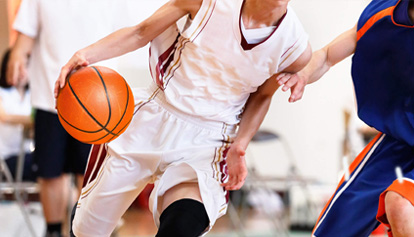
    First and foremost, great uniforms can significantly boost a player’s confidence. The concept of “enclothed cognition,” a term coined by researchers Hajo Adam and Adam D. Galinsky, suggests that the clothes we wear can influence our psychological processes. In basketball, wearing a high-quality, well-designed uniform can make players feel more professional and capable, leading to improved performance on the court. A uniform that players feel proud to wear can enhance their self-esteem and give them an extra boost of confidence during games.
    Promoting Team Unity and Identity

    Basketball Uniform

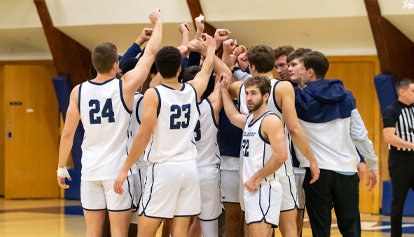
    Uniforms are a powerful symbol of team unity and identity. They create a visual representation of the team, distinguishing them from their opponents and fostering a sense of belonging among players. When athletes don their team’s colors and logos, it reinforces their commitment to the team and their role within it. This sense of unity can be pivotal in team sports like basketball, where coordination and cooperation are key to success. A cohesive uniform set can strengthen the bond between teammates, leading to better communication and teamwork on the court.
    Creating a Psychological Advantage

    Basketball Uniform

    There’s also a psychological advantage to be gained from having great uniforms. Teams with striking, well-designed uniforms can intimidate opponents and make a strong impression. This psychological edge can be especially impactful in high-stakes games where the mental aspect of competition is as crucial as physical skills. Additionally, fans often associate certain uniforms with a team’s legacy and success, which can add to the intimidation factor for opponents.

    Cultivating Fan Support and Brand Identity

    Basketball Uniform

    Great uniforms extend beyond the players; they play a significant role in cultivating fan support and establishing a team’s brand identity. Fans often wear team jerseys as a show of loyalty and support. Iconic and visually appealing uniforms can become synonymous with the team’s brand, making them more recognizable and marketable. This not only strengthens the bond between the team and its supporters but also contributes to the team’s financial success through merchandise sales.
    the importance of great uniforms in basketball extends far beyond their physical appearance. They are a crucial element in boosting player confidence, promoting team unity, creating a psychological advantage, and cultivating fan support. The psychology behind great uniforms reveals that they are an integral part of the game, influencing both the players on the court and the fans in the stands. As such, investing in high-quality, well-designed basketball uniforms is not just a matter of style, but a strategic component of the sport itself.
  • Shaping the Future: How NIL is Transforming Youth and High School Sports

    In youth sports, the influence of NIL (Name, Image, and Likeness) can manifest in several specific ways, reflecting a shift in the culture and priorities surrounding young athletes. Here are some examples and an expanded discussion on this topic:

    Youth soccer blog – branding for young players

    • 1. Early Focus on Branding:

      Young athletes may start to engage in personal branding activities much earlier than before. For instance, a talented youth soccer player might create a social media presence showcasing their skills, training routines, and achievements. Platforms like Instagram, TikTok, and YouTube become tools for these young athletes to build a following, which could potentially be monetized in the future.

    • 2. Increased Investment in Development:

      Parents and guardians may invest more in their children’s sports careers in anticipation of future NIL opportunities. This could include enrolling them in specialized training programs, hiring personal coaches, or investing in high-quality equipment. For example, a promising young basketball player might attend elite training camps or work with a personal shooting coach to enhance their skills and marketability.

    Youth soccer blog – high-profile event participation

    • 3. Participation in High-Profile Events:

      Young athletes might seek opportunities to participate in high-profile tournaments and showcases to gain exposure. For example, a high school quarterback might attend nationally recognized football camps and combines to attract attention from college scouts, media, and potential sponsors.

    • 4. Engagement with Early Endorsements:

      Although direct financial benefits are less likely for legal and ethical reasons, youth athletes might engage in non-monetary endorsements or partnerships. A young swimmer with a significant social media following could partner with a swimwear brand for product placements or promotional content, even if they’re not directly compensated.

    • 5. Influence on Sports Choices:

      The potential for future NIL earnings could influence the sports that young athletes choose to pursue. Sports with higher visibility and greater commercial appeal, such as football and basketball, might see an increase in participation rates as families and young athletes perceive them as more lucrative in terms of future NIL opportunities.

    • 6. Shift in Educational Priorities:

      There may be a growing emphasis on education related to marketing, personal branding, and financial management for young athletes. Workshops, online courses, or even school curricula could start to include elements that teach young athletes how to manage their personal brand and understand the business aspects of sports.

    In essence, the NIL era is likely to usher in a new dynamic in youth sports, where marketability and personal branding become as important as athletic prowess. This shift could lead to both positive outcomes, such as increased opportunities and professionalization of youth sports, and potential challenges, such as undue pressure on young athletes and an overemphasis on commercial aspects at the expense of pure sportsmanship and development.


    The impact of NIL (Name, Image, and Likeness) on high school sports, particularly in terms of recruitment and athlete preparation, can be illustrated through specific examples and a deeper exploration of the implications:

    • 1. Recruitment Strategies:

      High schools known for their strong sports programs might use their track record of producing college-level athletes with successful NIL deals as a recruiting tool. For instance, a high school football program that has alumni who have secured lucrative NIL deals in college could highlight this success to attract promising freshmen. This could create a more competitive recruitment environment, where schools with better exposure and connections to potential NIL opportunities have an edge in attracting top talent.

    • 2. Athlete Decision-Making:

      High school athletes might prioritize schools based on their potential to enhance their marketability for future NIL deals. A star basketball player, for example, might choose a high school with a strong media presence, high-quality facilities, and a history of alumni success in college and professional leagues. The athlete’s decision could be influenced by the school’s ability to provide a platform that enhances their visibility and marketability.

    • 3. Increased Exposure Opportunities:

      High schools may seek to provide more exposure for their athletes through various means. This could include organizing televised games, participating in national tournaments, or promoting athletes on social media. For example, a high school soccer team might livestream their games on social media platforms or collaborate with local media to feature their star players, thereby increasing their visibility.

    Youth soccer blog – exposure opportunities

    • 4. Educational Programs on Branding and Finance:

      Recognizing the importance of NIL, high schools could implement educational programs focused on personal branding, social media management, and financial literacy. These programs would prepare athletes for the business aspects of sports, teaching them how to build and manage their personal brand, understand contracts, and handle finances responsibly. For instance, a high school could offer workshops or elective courses on these topics, specifically tailored to the needs of student-athletes.

    • 5. Athlete Workshops and Seminars:

      High schools might collaborate with marketing experts, financial advisors, and legal professionals to offer workshops and seminars for athletes and their families. These sessions could cover topics like the ethical and legal aspects of NIL deals, strategies for effective self-promotion, and understanding the long-term implications of personal branding decisions.

    • 6. Enhanced Media Training:

      High schools could provide media training for athletes to help them navigate interviews, social media interactions, and public appearances effectively. This training would be crucial for building a positive and marketable public image, which is integral to maximizing NIL opportunities.

    In summary, NIL is poised to transform the landscape of high school sports, especially in high-profile sports like football and basketball. It encourages a more strategic approach to school selection, increases the emphasis on exposure and branding, and necessitates educational initiatives to prepare athletes for the business aspects of sports. These changes could lead to greater opportunities for athletes but also raise questions about the increasing commercialization of high school sports and its impact on the overall educational and developmental experience of student-athletes.


  • Managing Reputation Challenges: Navigating Team Crises in Sports

    Reputation is a valuable asset for any sports team. From sponsorship deals to fan loyalty and overall brand value, a positive reputation can significantly impact a team’s success both on and off the field. However, sports teams, like any other entity, can face crises that threaten their reputation. Whether it’s a player’s off-field behavior, management decisions, or external events, effective crisis management is essential. This article provides guidance on navigating reputation challenges in sports.

    1. Anticipate Potential Crises

    Anticipate Potential Crises

    Benefit: By identifying possible sources of crises, teams can prepare strategies to either prevent them or minimize their impact.

    Steps:

    • Conduct a vulnerability assessment to identify weak points.
    • Monitor social media and news outlets to stay informed about possible reputational threats.

    2. Quick and Transparent Response

    Quick and Transparent Response

    Benefit: Responding quickly and transparently can help control the narrative.

    Steps:

    • Acknowledge the situation promptly.
    • If there’s limited information, communicate that investigations are underway and more updates will follow.
    • Avoid hiding or downplaying the situation. This can lead to further backlash.

    3. Engage a Crisis Communication Team

    Engage a Crisis Communication Team

    Benefit: A dedicated team can manage the situation professionally, ensuring consistent messaging and rapid response.

    Steps:

    • This team should comprise PR professionals, legal counsel, and senior management.
    • Regularly train and run simulation exercises to be better prepared.

    4. Take Responsibility

    Take Responsibility

    Benefit: Accepting responsibility can help in rebuilding trust.

    Steps:

    • If the team or any of its members are at fault, admit the mistake.
    • Outline the steps being taken to ensure such an incident doesn’t recur.

    5. Engage with Stakeholders

    Engage with Stakeholders

    Benefit: Keeping channels of communication open can help in understanding the sentiment and addressing concerns effectively.

    Steps:

    • Address the concerns of fans, sponsors, and other stakeholders directly.
    • Consider holding press conferences, town hall meetings, or Q&A sessions.

    6. Demonstrate Action

    Demonstrate Action

    Benefit: Actions speak louder than words. Demonstrating change can help in regaining lost trust.

    Steps:

    • Implement changes based on lessons learned from the crisis.
    • Regularly update stakeholders on the progress of these changes.

    7. Monitor and Rebuild

    Monitor and Rebuild

    Benefit: Continuous monitoring can help in assessing the effectiveness of recovery strategies.

    Steps:

    • Use media monitoring tools to gauge public sentiment.
    • Engage in positive community outreach programs to rebuild the team’s image.

    8. Review and Learn

    Review and Learn

    Benefit: Every crisis provides lessons that can help in handling future situations better.

    Steps:

    • After the situation has been resolved, conduct a post-crisis review.
    • Identify what went well and areas of improvement.

    Reputation challenges in sports can be daunting, but with a proactive approach, they can be managed effectively. The key lies in quick, transparent, and responsible actions that prioritize the concerns of fans and stakeholders. By demonstrating commitment to change and learning from each crisis, sports teams can emerge stronger and more resilient.