Design Your Uniform

Category: Huddle

  • What a Custom Football Uniform Package Actually Includes (From a Shop That Once Shipped to Italy)

    In November 2010, a U.S. Navy football team took the field in Italy wearing uniforms from our shop. Different continent, same problem every coach has: a roster of players in different sizes, a hard date on the calendar, and one shot at showing up looking like a team.
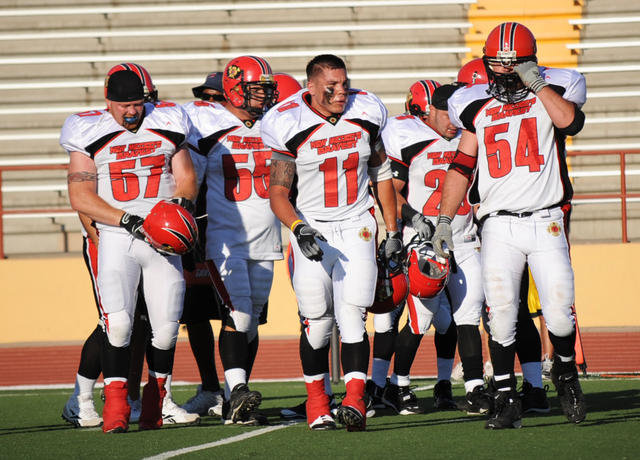
    U.S. Navy football team in Italy wearing Allen Sportswear uniforms, November 2010
    U.S. Navy football, Italy, November 2010. * Uniform program photo. Any equipment or brand marks visible are not an endorsement or affiliation.

    Most of the 7,000-plus team orders we have produced since 2004 are less exotic than that one. They look more like this: it is July, you have 38 kids signed up, your opener is the first Friday after Labor Day, and the league approved a budget number that is not moving. What you need to know is what a uniform package actually covers, what costs extra, and whether it can genuinely arrive before that Friday. That is this guide.

    Quick answer: a custom football uniform team package includes coordinated jerseys and pants in your team colors, with logos, player numbers, and individual sizing for each player. Depending on the supplier, teams can also add player names, home and away sets, coach apparel, and spirit wear.

    What a standard package includes

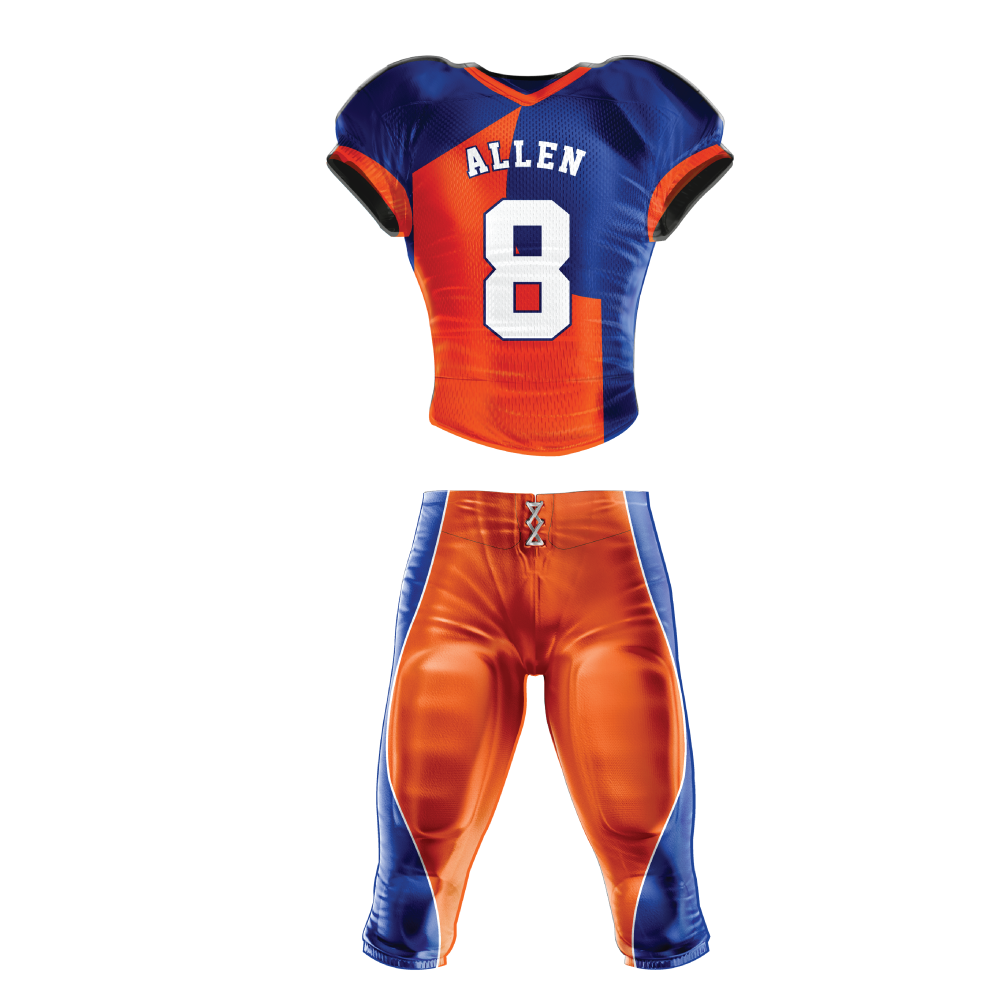
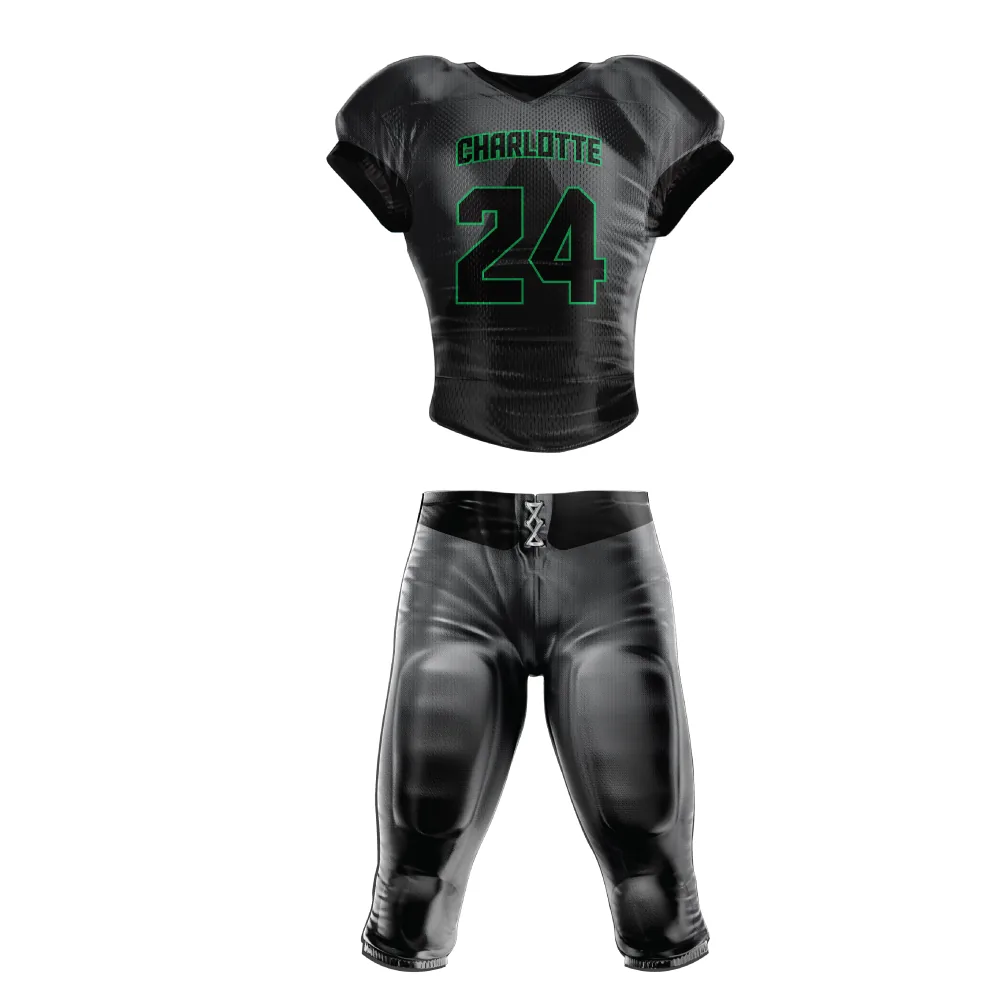
    Game jersey and pants for every player, produced together so every piece matches. Your exact colors, your logo, and player numbers are part of the base package, along with individual sizing across the roster. Integrated jersey-and-pants combos, where both pieces are produced as one matched set, are a popular option for teams that want one clean look.

    Common package upgrades

    Player names on the back. A second colorway for home and away sets. Coach polos and staff apparel. Spirit packs for parents and fans. Add-on jerseys during the season for roster changes. Ask your rep what else can be produced in your colorway; a sublimation shop can usually match more than the catalog shows.
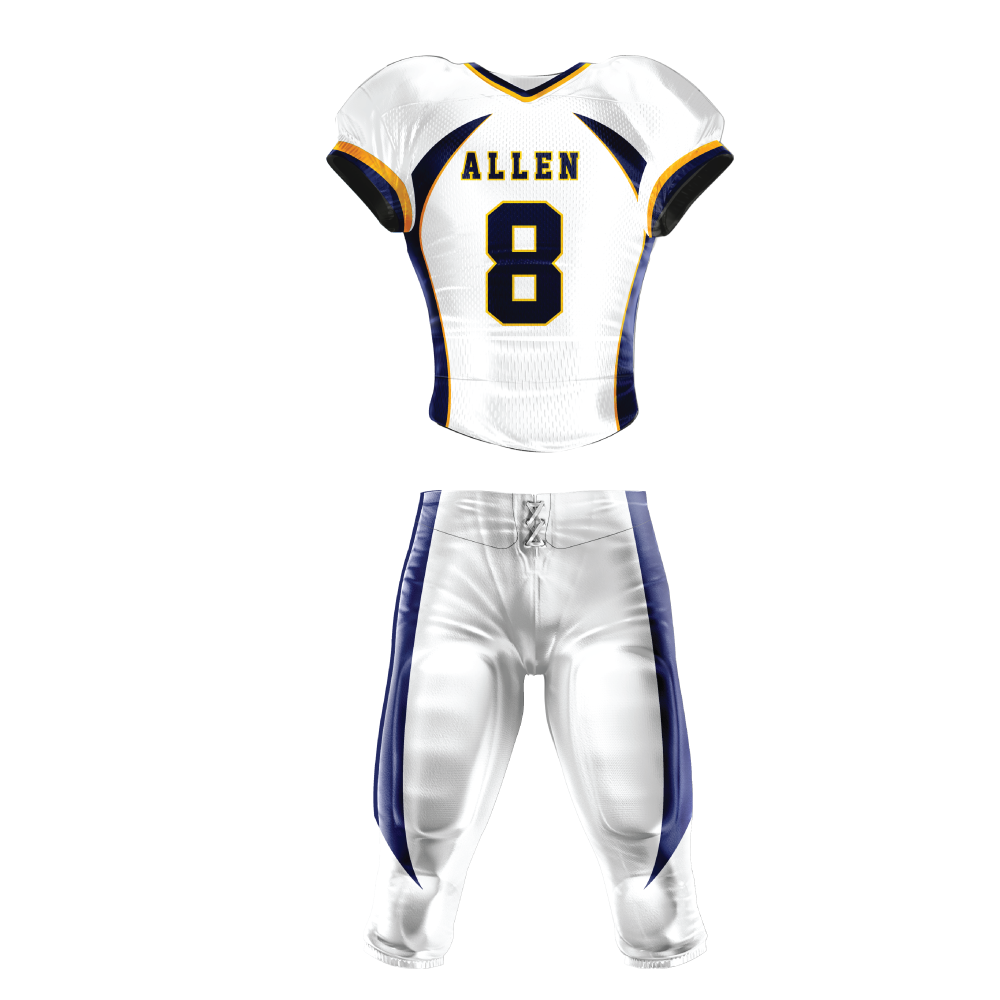
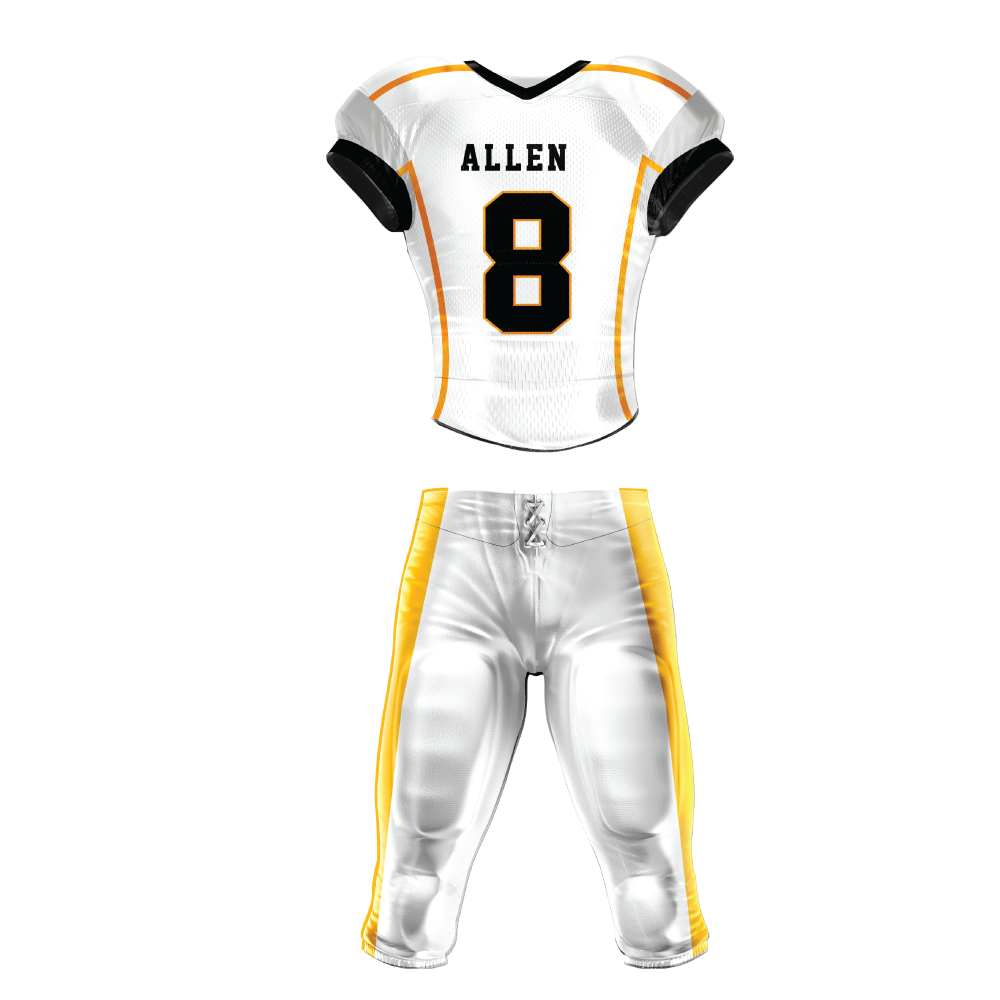
    See all 36 football uniform designs

    The three choices that actually shape your order

    One game set or home and away. A single set covers most youth and rec programs. School and travel programs playing under conference rules usually order a light set and a dark set together, so both arrive matched and sized.

    Sublimated or tackle twill. The Navy team’s uniforms were sublimated: the color and graphics are printed into the fabric itself, which supports detailed patterns, gradients, and color combinations that are difficult to reproduce with stitched decoration, and the graphics do not crack or peel in the wash. Tackle twill is the classic stitched-on look with real dimensional numbers. Many youth and travel programs choose sublimation for its flexibility and durability. Some varsity programs prefer tackle twill for its traditional dimensional look. Neither is wrong, and a good supplier walks you through the choice instead of pushing one.

    Start from a catalog design or fully custom. Starting from an existing design gets you to a proof faster and still carries your colors, logo, and numbers. Fully custom starts from a blank canvas. Either way you approve a design proof before anything is produced.

    The four steps, narrated, in 29 seconds: color, name and number, logo, save. Design yours, no login needed.

    How ordering works, step by step

    1. You describe your program: sport, colors, mascot, roster size, and your season start date. That last one matters most, because everything gets scheduled backward from it.

    2. You get a design proof before you commit. Every custom order includes a free design mockup, and revisions continue until you approve every detail: colors, numbers, names, logo placement. Nothing goes to production without your sign-off.

    3. A production sample of your actual uniform is made, and you see photos for approval before the full run is produced. If something is off, it gets corrected first.

    4. Most custom orders are ready to ship within 3 to 4 weeks after final design approval, with order size and seasonal volume affecting the schedule. Your representative confirms the production timeline and expected delivery date before the order moves forward, and the full run arrives sorted and labeled by player.

    What youth football programs should look for

    Youth orders have their own realities. Rosters mix sizes from small youth to adult, so the package should run youth and adult sizing on the same design in the same order, including coaches. Kids grow mid-season, so ask how sizing guidance works before you order; a supplier with real size charts and a rep who will talk through growing room saves you exchanges later. Rosters also change after the season starts, so ask whether add-on jerseys are available mid-season for late joiners. And durability matters more at the youth level, where uniforms get washed twice a week; printed-in sublimated graphics hold up through that where cheaper decoration methods often do not.

    The questions to ask any uniform supplier

    What is the minimum order? Ours is 8 uniforms per design, and youth and adult sizes can be combined in the same team order. Is there a real design proof and a production sample, or does the order go straight to production? Who owns your order if something goes wrong, a rep with a name or a ticket queue? And can they hit your first game date, honestly? A supplier who will tell you a timeline is too tight is worth more than one who says yes to everything.

    Frequently asked questions

    How many uniforms do we need to order? The minimum is 8 per design. Youth and adult sizes can be combined in the same team order.

    How long does a team football uniform order take? Most custom orders are ready to ship within 3 to 4 weeks after final design approval. Timelines vary with order size and time of year; peak season runs longer. Tell your rep your first game date on the first call and they confirm the production timeline and expected delivery date before the order moves forward.

    Can you match our exact school colors? Yes. Send Pantone codes, hex values, or a photo of your current uniforms, and the match is confirmed on your production sample before the full run.

    Do you ship nationwide? Allen Sportswear ships to all 50 states. Teams from rec leagues, travel programs, and school districts order from across the country.

    The Navy team got their uniforms on another continent. Yours only have to make it to your equipment room. Start a football design or send us your roster size, colors, and first game date for a free design mockup from a real team representative.

  • When the Gym Gets Loud: What Our Kids See in Us

    A few weeks ago, I was sitting in the bleachers along the baseline at my son’s
    8th-grade basketball game. It was a Sunday afternoon at Pewaukee High School
    with three games happening at once. We were on the middle court, with
    parents, grandparents, and family members from both teams sitting all around.
    The gym was busy and loud, but most people were only paying attention to the
    game they cared about.
    In our section, many parents were starting to get a little tense and passionate. It
    wasn’t awful and I have seen much worse, but they were definitely getting
    caught up in it. Frequently when the refs blew the whistle for a foul or violation,
    you could hear people react loudly. A handful of missed calls felt big to the
    people around me, and their responses came quickly. I don’t believe anyone
    walked into the gym intending to be difficult. They were just invested in their
    kids, like most of us parents are. Youth sports can have that effect on us.
    But in the middle of all the noise, one family stood out.

    There was a set of parents sitting with what looked like grandparents. They did
    not yell at the officials, the coaches, or the other kids. They encouraged their
    son and his teammates, and twice during the game they corrected their son.
    They were not correcting him on basketball, they were addressing his behavior
    that was not in line with their values. Once he reacted to the crowd, and
    another time he snapped back at a player. Both times, the correction was calm,
    clear, and focused on behavior.
    Their son was also the best player on the floor. He was not completely
    dominant, but he was a little taller, a little stronger, and he really knew how to
    play. He was confident and tough, and he competed well. But he was also a
    young man who, like everyone his age, still has a lot of growing to do. Watching
    his parents, it was easy to see that he had steady examples around him. The
    way they carried themselves gave him a solid reference point for how to handle
    himself in emotional moments.
    I was not looking for anything. I came to watch my son and enjoy the game. But
    that family caught my attention. They were modeling something valuable, and
    their son was benefitting from it.
    It made me think about my own instincts.

    I have coached for a long time. When I watch basketball, I notice spacing,
    matchups, decision-making, and details. And I am also a dad, so I want to help
    my kids. Those two identities can overlap quickly. The urge to coach from the
    stands is very real for me.
    But I have learned that my job in the bleachers is different than my job on a
    sideline. Coaches coach. Parents model. The way we carry ourselves sets the
    emotional tone.

    There is a phrase that has helped me throughout my life. I remind myself of it
    on the days when my intensity of emotion is higher than it probably should be:
    cognition controls emotion. What I think about shapes how I feel. If I focus on
    the officials, I get frustrated. If I focus on mistakes, I get tense. And when I get
    tense, my kids feel it. They take their cues from me, whether I say anything or
    not.

    They are always watching us. And sometimes, the most powerful thing they can
    see is a parent who is calm, encouraging, and fully present.


    Reflection Question:

    When the gym gets loud, what do you want your child to notice about you?

    Practical Tip:

    Before every game, choose one word to model: calm, encouragement,
    gratitude, or something else. Return to it whenever emotions rise.


    Author Bio

    Alex Compton is an author, coach, and former international professional basketball player whose career has taken
    him into global youth-sports development. He co-founded the Nike Elite Camp and the NBTC program in the
    Philippines and has coached both professionally and with Gilas Pilipinas, the Philippine Men’s National Team.
    Now based in Madison, he is a member of the WBCA Hall of Fame and co-author of Guiding Your Child’s Athletic
    Journey, winner of the 2025 NYC Big Book Award. Alex is a Cornell University graduate in Human Development
    and Family Studies and speaks on parenting, leadership, and youth sports.

  • The Future of Cheerleading Uniforms: Smart Tech, Eco-Fabrics, and AI Magic That’s Changing the Game

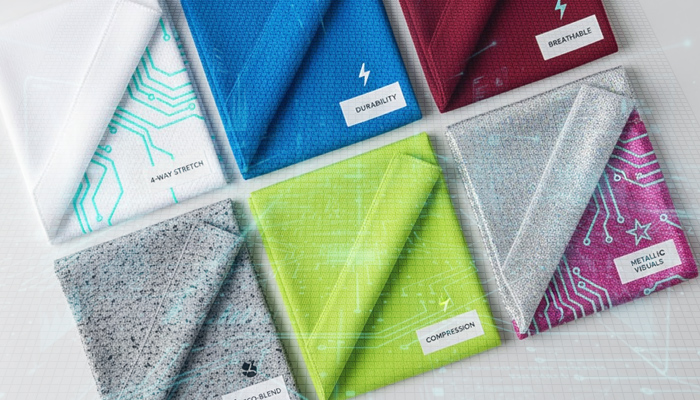
    If you’re a coach, parent, or cheerleader, you know uniforms aren’t just clothes; they’re what make your squad pop on the field, mat, or sidelines. But get this: the future? It’s wild. We’re talking uniforms that track your performance, made from recycled bottles, designed by AI in seconds, and customized like never before. No more guessing sizes or dealing with sweaty, heavy gear. Let’s break it down.

    From Basic to Boss: How We Got Here

    Remember the old days? Wool skirts and stiff tops that chafed after one routine. Fast forward to now: lightweight, stretchy synthetics that wick sweat and move with you. But 2025 and beyond? It’s next-level. Brands are pushing boundaries with tech that’s making cheer safer, flashier, and greener.

    Trend #1: AI and AR for Custom Designs That Fit Perfect

    Coaches, imagine typing “bold blue with silver stars, team logo front and center” into an app, and boom, your uniform renders in 3D. AI tools are doing exactly that. No more endless sketches or samples. And AR? New Technology lets your athletes scan themselves for perfect sizing, no returns, no drama. Parents love it for pee-wee squads; pros use it for all-star comps. By 2026, every team will design online and see it “on” their squad virtually.

    Trend #2: Smart Fabrics That Actually Think

    Forget basic wicking, these uniforms have sensors. Embedded tech tracks heart rate, hydration, even jump height during stunts. Coaches get real-time data on their phone: “Hey, Sarah’s dehydrated,rotate her out.” Antimicrobial weaves kill odor mid-practice, and graphene-infused material makes ’em 40% lighter but tougher. Allen sportswear is leading, saying injury rates drop because gear breathes and protects better.

    Picture your flyers soaring higher without fatigue, game-changer.

    Trend #3: Going Green Without Sacrificing Sparkle 

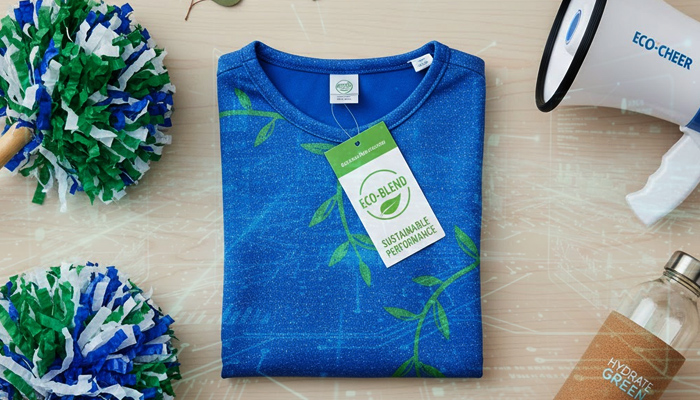
    Sustainability’s huge. Braids from recycled plastic bottles, eco-dyes that don’t fade. rPET fabrics feel premium but help the planet. Coaches tell me teams order these save on washes (they dry fast) and look pro. By 2030, expect 80% of uniforms eco-made, with bold colors, rhinestones intact.

    Trend #4: Designs That Steal the Show

    2025 vibes: Neon blocks, geometric patterns, mesh panels for breathability, shiny rhinestones that catch every light. Pro Cheer uniforms? Sleek, commanding, with accents that scream “world champs.” Mix-and-match for practices vs. comps, versatile and affordable.

    Why Your Squad Needs This Now

    • Performance Boost: Lighter, smarter gear = higher scores, fewer injuries.
    • Team Spirit: Custom Design builder builds hype, kids feel like stars.
    • Parent Win: Eco means less guilt; AR means perfect fit first try.
    • Coach Edge: Data-driven decisions win comps.

    5 Tips to Future-Proof Your Cheer Uniforms 

    1. Start with a Design Board: Use free tools to mock up designs, tweak till perfect.
    2. Demand Smart Fabrics: Look for moisture-wicking + sensors.
    3. Go Eco: Recycled materials last longer, cost less over time.
    4. AR Try-On: Scan your team for sizing, saves headaches.
    5. Bulk from Pros: At Allen Sportswear, we do custom kits with buy one, get one 40% off for 10+ uniforms. Fast ship, future-ready fabrics. Hit us up!

    There you have it, the future’s here, and it’s brighter, greener, smarter. Your squad deserves gear that matches their fire. Drop a comment: What’s your must-have feature? Check allensportswear.com for the latest. Let’s cheer on!

    Todd Marinshaw

    Owner, Allen Sportswear

  • Spiking Success: A Complete Guide to Launching a Thriving Volleyball Club

    Starting a volleyball club is a fulfilling endeavor, blending passion for the sport with community building. Here’s a comprehensive guide on how to establish a club, covering essential points from selecting the right team of coaches and volunteers to scouting talent.

    1. Getting the Right Coaches and Volunteers

    A successful club starts with a solid foundation, and that means assembling a team of dedicated coaches and volunteers. Look for individuals with a blend of experience, passion for volleyball, and a commitment to youth development. Networking within local sports communities, posting on job boards, and leveraging social media can help attract the right talent. Remember, diversity in coaching skills and personalities can enrich the club’s culture and offer varied learning experiences to players.

    2. Building the Brand of the Club

    volleyball

    Your club’s brand is more than a logo or colors; it’s the heart and soul of your organization. It represents your ethos, your community, and your goals. Start with a name that resonates with your vision and is easily identifiable. Design a logo that’s both memorable and reflective of your club’s spirit. Creating a brand identity involves consistent messaging across all platforms, showcasing what sets your club apart and building a community around your shared love for volleyball.

    3. Creating a Website

    volleyball website

    In today’s digital age, a website is your club’s storefront. It should be user-friendly, informative, and visually appealing. Include sections for news, schedules, team rosters, and registration information. Tools like WordPress or Wix offer user-friendly platforms for creating attractive websites without needing to code. Integrating social media feeds and including a blog can keep content fresh and drive engagement.

    4. Registering Your Organization as a Non-Profit

    nonprofit volleyball

    Registering as a non-profit can offer significant advantages, including tax exemptions and eligibility for grants and donations. The process involves filing paperwork with your state and obtaining 501(c)(3) status from the IRS. This status requires adherence to certain regulations but supports your club’s long-term sustainability and credibility. Consulting with a legal expert in non-profit organizations can streamline this process.

    5. Scouting and Assembling the Right Talent

    volleyball

    Building a competitive and cohesive team is about more than just raw talent. Host open tryouts to scout players, looking for those who not only have skill but also demonstrate teamwork, sportsmanship, and a desire to grow. Consider players’ potential and attitude as much as their current skill level. Developing a network with local schools and other sports organizations can aid in talent scouting, as well as offering clinics or workshops to attract young athletes to your club.

    Starting a volleyball club is an exciting journey that can have a profound impact on your community and the lives of young athletes. By focusing on building a strong foundational team, establishing a compelling brand, creating a dynamic online presence, ensuring legal and financial structuring, and assembling a team of talented and dedicated players, you can set your club up for success. Remember, the key to a successful volleyball club lies in its ability to foster a supportive, nurturing environment that promotes growth, teamwork, and a love for the game.

  • From Average to Elite: Transforming Your Volleyball Team into Championship Contenders

    1. Building a Foundation of Skills:

    volleyball Team

    • Structured Training: Establish a regular, structured training regimen focusing on fundamental skills. Use drills that simulate match conditions to improve player reflexes and skill application under pressure.
    • Skill Assessment: Regularly assess each player’s skills to identify areas needing improvement. Tailor individual training sessions to address these areas, ensuring balanced development across the team.
    • Feedback and Adaptation: Provide continuous, constructive feedback. Encourage a growth mindset, where players view criticism as an opportunity for growth.

    2. Strategic Team Development:

    volleyball Team

    • Playbook Development: Develop a comprehensive playbook that aligns with your team’s strengths. Regularly update strategies based on opponent analysis and team performance.
    • Role Clarity: Ensure each player understands their role and the expectations associated with it. This clarity will enhance team cohesion and strategic execution.
    • Game Simulations: Conduct regular game scenario practices to help players adapt to different strategies, fostering adaptability and tactical intelligence.

    3. Cultivating a Winning Mindset:

    volleyball Team

    • Mental Conditioning: Incorporate mental conditioning into your training program. Techniques like visualization, concentration exercises, and positive affirmations can enhance mental toughness.
    • Team Building: Organize team-building activities that promote trust, communication, and camaraderie. A united team is more resilient under pressure.
    • Leadership and Accountability: Foster a culture where players take personal accountability for their performance while also supporting their teammates. Encourage players to take on leadership roles, providing peer motivation and support.

    By meticulously implementing these strategies with patience and persistence, your volleyball team can transform into a disciplined, strategically savvy, and mentally tough contender, ready to take on any challenge with confidence and team unity.

  • Preparing for the Upcoming Wrestling Season: Offseason Strategies

    Wrestling is a demanding sport that requires year-round dedication to stay competitive. The offseason is a critical period for wrestlers to rest, recover, and refine their skills to come back stronger for the next season. Here’s a guide on what to do in the offseason to prepare effectively for the upcoming wrestling season.
    1. Rest and Recovery

    Wrestling recovery and rest – optimize performance

    First and foremost, allow your body to heal from the rigors of the season. This means taking time off from intense wrestling practices to let injuries heal and to mentally recharge. Active recovery can include light exercises, yoga, swimming, or any activity that keeps you moving without the high impact and intensity of wrestling.
    2. Cross-Training

    Wrestling cross training – build speed and agility

    Engaging in different sports or physical activities can improve your athleticism, coordination, and mental freshness. Sports like judo, Brazilian jiu-jitsu, or even track and field can enhance your wrestling skills indirectly by improving your strength, endurance, and agility.

    3. Strength and Conditioning

    Wrestling strength and conditioning training

    Offseason is the perfect time to build strength, power, and endurance without the pressure of upcoming competitions. Focus on a well-rounded strength and conditioning program that targets the key muscle groups used in wrestling. Incorporate both resistance training and cardiovascular exercises to build a strong foundation for the next season.

    4. Technical Improvement

    Wrestling technical improvement and skill progression

    Use the offseason to refine your techniques and learn new ones. Attend camps, clinics, or work with a coach to identify and improve upon your weaknesses. Watch videos of high-level competition to study and emulate successful wrestlers.

    5. Nutrition and Weight Management

    Wrestling nutrition and weight management guide

    Maintain a healthy diet to support your training and recovery. Use the offseason to establish good eating habits without the pressure of making weight. If you plan to move up or down a weight class, consult with a nutritionist to make adjustments in a healthy and sustainable manner.

    6. Mental Preparation

    Wrestling mental preparation tips

    Wrestling is as much a mental battle as it is physical. Use the offseason to build mental toughness and confidence. Visualization, goal setting, and mental rehearsals can be powerful tools to prepare mentally for the challenges of the upcoming season.

    7. Stay Connected with the Wrestling Community

    Wrestling community connection – stay engaged year-round

    Keep in touch with your teammates, coaches, and the wrestling community. Attend wrestling events, stay updated with wrestling news, and engage in forums or social media groups. This will keep you motivated and informed about the latest trends and techniques in the sport.

    8. Personal Development

    Wrestling personal development

    Lastly, focus on personal growth outside of wrestling. Pursue hobbies, spend time with loved ones, and engage in activities that bring you joy and relaxation. A well-rounded life will contribute to your overall well-being and performance as an athlete.

    By following these offseason strategies, you can return to the wrestling season rejuvenated, improved, and ready to compete at your best. Remember, the work you put in during the offseason can set the stage for your success during the competitive season.

  • Suiting Up for Success: The Psychological Power of Great Basketball Uniforms

    The Importance of Great Uniforms in Basketball: A Psychological Perspective

    Basketball, much like any other sport, is not just a display of athletic prowess and strategic gameplay; it also involves a significant psychological component. One aspect that contributes to the mental and emotional state of players and teams is their uniforms. Great uniforms are not merely about aesthetics; they play a crucial role in boosting player confidence, promoting team unity, and creating a sense of identity. This article delves into why great uniforms are necessary in basketball and explores the psychology behind their importance.

    Boosting Player Confidence

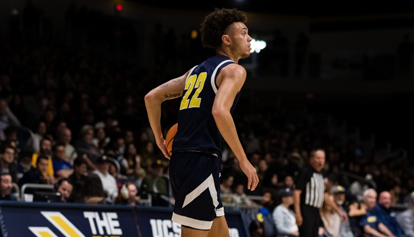
    Basketball uniforms
    Basketball uniforms

    First and foremost, great uniforms can significantly boost a player’s confidence. The concept of “enclothed cognition,” a term coined by researchers Hajo Adam and Adam D. Galinsky, suggests that the clothes we wear can influence our psychological processes. In basketball, wearing a high-quality, well-designed uniform can make players feel more professional and capable, leading to improved performance on the court. A uniform that players feel proud to wear can enhance their self-esteem and give them an extra boost of confidence during games.

    Promoting Team Unity and Identity

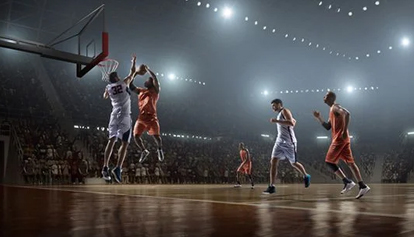
    Basketball Uniform

    Uniforms are a powerful symbol of team unity and identity. They create a visual representation of the team, distinguishing them from their opponents and fostering a sense of belonging among players. When athletes don their team’s colors and logos, it reinforces their commitment to the team and their role within it. This sense of unity can be pivotal in team sports like basketball, where coordination and cooperation are key to success. A cohesive uniform set can strengthen the bond between teammates, leading to better communication and teamwork on the court.

    Creating a Psychological Advantage

    Basketball Uniform

    There’s also a psychological advantage to be gained from having great uniforms. Teams with striking, well-designed uniforms can intimidate opponents and make a strong impression. This psychological edge can be especially impactful in high-stakes games where the mental aspect of competition is as crucial as physical skills. Additionally, fans often associate certain uniforms with a team’s legacy and success, which can add to the intimidation factor for opponents.

    Cultivating Fan Support and Brand Identity

    Basketball Uniform

    Great uniforms extend beyond the players; they play a significant role in cultivating fan support and establishing a team’s brand identity. Fans often wear team jerseys as a show of loyalty and support. Iconic and visually appealing uniforms can become synonymous with the team’s brand, making them more recognizable and marketable. This not only strengthens the bond between the team and its supporters but also contributes to the team’s financial success through merchandise sales.

    the importance of great uniforms in basketball extends far beyond their physical appearance. They are a crucial element in boosting player confidence, promoting team unity, creating a psychological advantage, and cultivating fan support. The psychology behind great uniforms reveals that they are an integral part of the game, influencing both the players on the court and the fans in the stands. As such, investing in high-quality, well-designed basketball uniforms is not just a matter of style, but a strategic component of the sport itself.

  • Flag Football Mastery: Top Drills to Skyrocket Your Team to Championship Glory

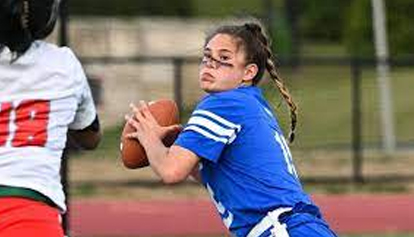
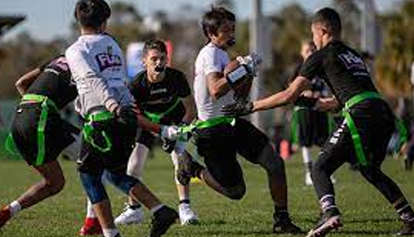
    Flag football combines the strategy and teamwork of traditional football with an emphasis on speed and agility. Preparing your team for a championship requires focused training, teamwork, and the right set of drills. Here are some effective flag football drills designed to enhance your team’s performance and get them championship-ready.

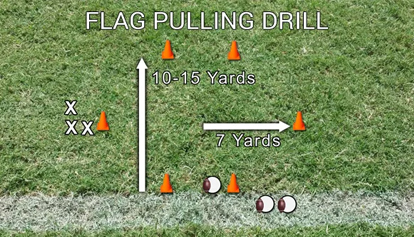
    1. The Flag Pull Drill
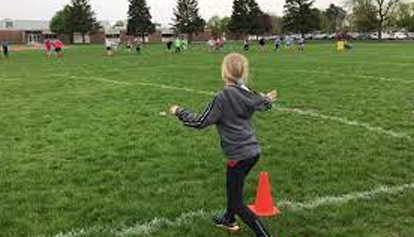
    The Flag Pull Drill

    Objective:

    To improve defensive players’ ability to pull flags.

    How to Execute:

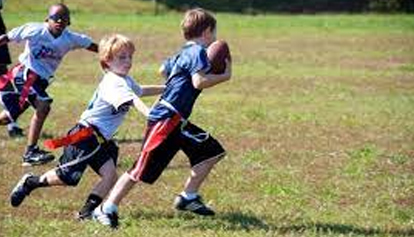
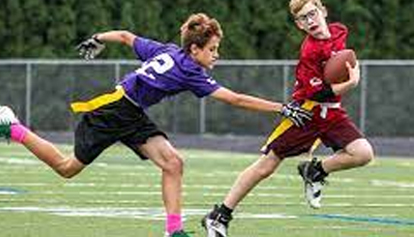
    • Players form two lines facing each other, one with flags and the other without.

    • The player with a flag runs parallel to the line, and the player opposite must chase and pull their flag.

    • Emphasize speed, accuracy, and avoiding contact.

    2. The QB Accuracy Challenge

    The QB Accuracy Challenge

    Objective:

    To improve the quarterback’s accuracy and timing.

    How to Execute:

    • Set up targets (such as cones or hoops) at various distances and angles.

    • The quarterback must throw the ball, aiming to hit or land close to these targets.

    • Include moving targets to simulate game-like scenarios.

    3. The Shuttle Run Relay

    Objective:

    To enhance players’ speed, agility, and endurance.

    How to Execute:

    • Create a series of shuttle runs with cones set at different distances.

    • Players sprint to a cone, touch it, and return to the start line.

    • Make it a relay race for competitive fun and team-building.

    4. The Route-Running Circuit

    Objective:

    To improve receivers’ route running and coordination with the quarterback.

    How to Execute:

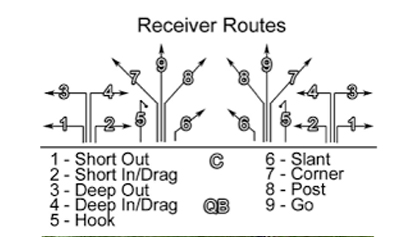
    • Set up a circuit with different route types (e.g., slants, curls, outs).

    • Receivers run each route while the quarterback delivers the ball.

    • Focus on timing, communication, and sharp route execution.

    5. The Defense Swarm Drill

    Objective:

    To improve the defense’s ability to quickly close in on the ball carrier.

    How to Execute:

    • The ball carrier runs a predetermined route with defenders positioned along the route.

    • Defenders must react and converge on the carrier to attempt a flag pull.

    • Emphasize teamwork and communication.

    6. The No-Huddle Offense Drill

    Objective:

    To prepare the team for high-tempo, no-huddle offensive plays.

    How to Execute:

    • The offense runs plays in quick succession without a huddle.

    • Focus on quick play-calling, player positioning, and execution under time pressure.

    • This drill builds endurance and decision-making skills.

    7. The Lateral Agility Drill

    Objective:

    To improve lateral movement and agility.

    How to Execute:

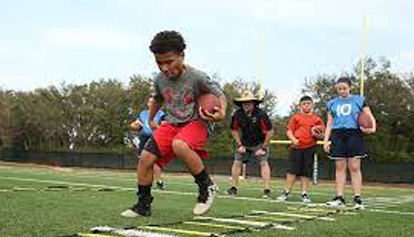
    • Set up a ladder or series of cones on the ground.

    • Players perform lateral footwork exercises through the ladder or around the cones.

    • Include variations to enhance foot speed and coordination.

    8. The Red Zone Offense/Defense Practice

    Objective:

    To hone strategies and skills specific to red zone plays.

    How to Execute:

    • Practice offensive and defensive plays within the 20-yard line.

    • Emphasize tight route running, quick decision-making, and defensive coverage skills.

    9. The Two-Minute Drill

    Objective:

    To simulate end-of-game pressure situations.

    How to Execute:

    • Set the clock for two minutes with the offense needing to score.

    • Practice quick plays, clock management, and stress handling.

    10. The Endurance and Teamwork Challenge

    Objective:

    To build endurance and foster team spirit.

    How to Execute:

    • Combine a series of drills into a longer circuit.

    • Include elements of strength, speed, and agility.

    • Encourage teamwork and communication throughout the challenge.

    Preparing for a flag football championship involves more than just skill development; it’s about creating a cohesive, well-prepared team that can handle the pressures of competition. These drills are designed to improve individual skills and foster team chemistry, setting your team on the path to victory. Remember, the key to success lies in consistent practice, a positive attitude, and a focus on teamwork. Get out there and bring that championship home!

  • Game-Changing Innovations: Impact of Sports Technology in Basketball

    Basketball, with its fast-paced nature and global fanbase, has continually evolved by integrating advanced technologies into various aspects of the game. From the hardwood of the NBA courts to local school gyms, technology is reshaping the sport. Let’s examine the pivotal innovations that are influencing basketball’s present and future.

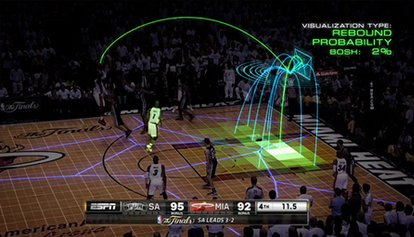
    1. Player Tracking Systems

    player tracking systems

    Systems like SportVU use cameras placed around the arena to track players’ movements, the ball, and even referees. These systems provide real-time data on player speed, distance covered, jump height, and more. This wealth of data helps coaches strategize and optimize player performance.

    2. Wearable Tech

    Wearable Tech

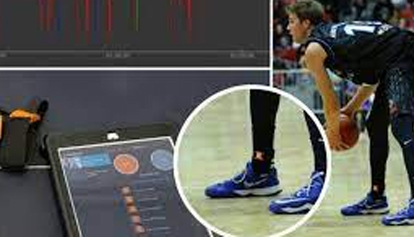
    From smart shoes to fitness trackers, wearable devices are transforming player training and health management. These gadgets monitor heart rates, energy exertion, and muscle activity. The gathered data helps in customizing training routines, minimizing injury risks, and maximizing player output.

    3. Virtual Reality (VR) Training

    Virtual Reality (VR) Training

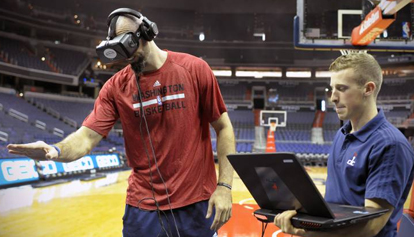
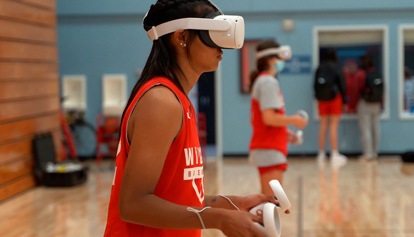
    Virtual reality technology enables players to undergo immersive training experiences. They can simulate specific game situations, practice decision-making, or visualize opposing team strategies. This tech-driven approach is enhancing skill development at an unprecedented pace.

    4. Shot Tracking Technologies

    Shot Tracking Technologies

    Innovations like Noah Basketball’s shot-tracking system use sensors to evaluate a player’s shooting technique. It measures shot arc, depth, and left-right position, offering feedback to help players refine their shooting mechanics and improve accuracy.

    5. Advanced Analytics

    Advanced Analytics (1)

    Data analytics platforms process vast amounts of game data to draw patterns and insights. These analytics guide coaching decisions, player draft selections, and game strategies. Machine learning models can even predict player performance and potential game outcomes.

    6. Smart Courts

    Smart Courts

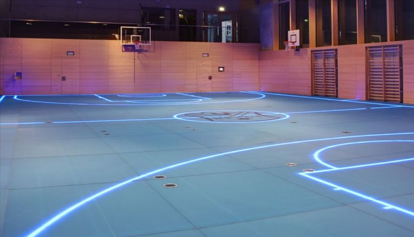
    Technological integrations on the court itself, such as LED floors and embedded sensors, can provide real-time feedback on player positioning, shot zones, and ball movement. These “smart courts” can aid in training sessions by offering visual aids and instantaneous data.

    7. Augmented Reality (AR) Fan Experiences

    Augmented Reality

    Basketball is not just evolving on the court but also in the stands. AR apps enable fans to point their devices at the game or players, accessing real-time stats, player bios, and interactive content, bridging the gap between the digital and physical viewing experience.

    8. Digital Streaming and Content Platforms

    Digital Streaming

    The way fans consume basketball content has changed dramatically with the rise of streaming platforms and social media. Enhanced camera angles, interactive game streams, and personalized content tailoring allow fans a customized viewing experience like never before.

    9. Biometric Monitoring

    Biometric Monitoring

    Using non-invasive methods, teams can monitor players’ biometric data, like oxygen levels, stress factors, and fatigue. This data ensures players are at their peak physical condition and assists in making informed decisions about playtime and recovery.

    As the lines between sports and technology blur, basketball stands as a testament to the positive impacts of this convergence. These technological integrations, far from overshadowing the sport’s essence, serve to amplify its beauty, precision, and appeal. In the face of such innovations, the future of basketball promises to be even more exciting, connected, and groundbreaking.


  • Game-Changing Innovations: Impact of Sports Technology in Volleyball

    From sandy beaches to indoor courts, volleyball is a sport enjoyed by millions around the world. As it continues to captivate audiences and challenge athletes, the sport hasn’t remained static. Modern technology is enriching volleyball at all levels, providing insights, refining skills, and enhancing the spectator experience. Here’s a dive into the technological marvels reshaping volleyball:

    1. Player Tracking Systems

    Player Tracking Systems

    Advanced tracking systems, using cameras and sensors, are now capable of capturing every move on the volleyball court. From player positioning and jumps to ball speed and trajectory, coaches and analysts can dissect each play, optimizing strategies and honing individual techniques.

    2. Wearable Tech

    Wearable Tech

    With devices such as smartwatches and fitness trackers, athletes can monitor their heart rates, calories burned, and activity levels. Such devices also help track fatigue, ensuring optimal rotation and substitution strategies during long matches.

    3. Video Analysis Tools

    Video Analysis Tools

    Video replay and analysis tools have become vital in team preparations. Players can review their form, positioning, and reactions in real-time or post-match. These tools are essential for adjusting tactics, reviewing decisions, and understanding opponent strategies.

    4. Smart Nets

    Smart Nets

    While still in their nascent stages, smart nets embedded with sensors can detect ball touches, offering more accurate fault and touch calls. This minimizes human error and enhances the accuracy of officiating.

    5. Augmented Reality (AR) for Fan Interaction

    Augmented Reality

    AR technology enhances the in-stadium experience for fans. With AR-enabled apps, spectators can access player stats, instant replays, or participate in interactive games during match breaks, further immersing them into the sporting spectacle.

    6. VR Training

    VR Training

    Virtual reality provides players with an immersive training environment, allowing them to practice under simulated match conditions. This can be particularly helpful for teams looking to familiarize themselves with unfamiliar venues or study the tactics of future opponents.

    7. Ball Tracking Systems

    Ball Tracking Systems

    Technologies that track the ball’s movement, spin, and speed offer valuable insights. Such data helps players adapt their serving or spiking techniques and gives coaches a clearer understanding of game dynamics.

    8. Digital Platforms and Social Media

    Digital Platforms and Social Media

    Platforms like YouTube, Instagram, and specialized volleyball apps enable players to share tips, highlight reels, and training techniques. They’ve provided a space for the global volleyball community to connect, learn, and grow.

    9. Biomechanics Analysis

    Biomechanics Analysis

    Understanding the biomechanics of players can be a game-changer. By studying movement patterns, jump techniques, and posture during various plays, trainers can customize workouts, reduce injury risks, and enhance player performance.

    10. AI and Data Analytics

    AI and Data Analytics

    With machine learning models, teams can predict player performance, strategize rotations, and analyze vast amounts of match data quickly. These insights are invaluable for crafting match-winning strategies.

    Volleyball, at its core, remains a game of agility, strategy, and teamwork. However, technology is undeniably elevating the sport to new horizons. As these innovations continue to integrate with the sport, players will gain richer insights, fans will enjoy a more immersive experience, and the game itself will reach unprecedented levels of precision and excitement.